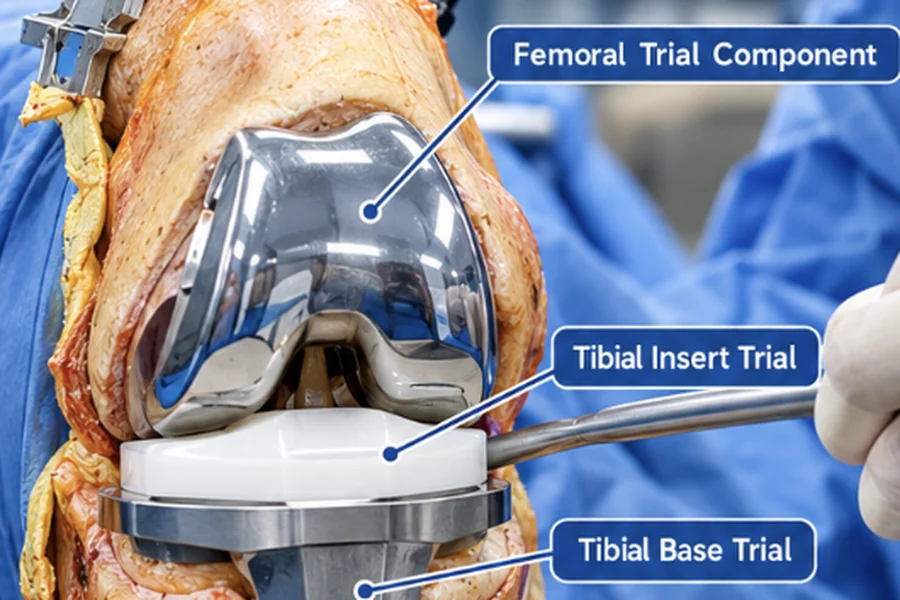
A joint replacement is a planned operation, which means you get something most patients never have: time to prepare. Used well, four weeks of preparation shortens the hospital stay, reduces complications and makes the first fortnight at home far less daunting.
Four weeks out: your body
- Start "prehab" — the same exercises you will do afterwards: straight-leg raises, sit-to-stands from a chair, ankle pumps, gentle knee bending. Stronger going in means faster coming out.
- If you smoke, stop. Smoking slows wound and bone healing and raises infection risk; even four weeks helps.
- Get diabetes, blood pressure and anaemia reviewed by your physician. Well-controlled sugar is one of the biggest factors in avoiding infection.
- See a dentist if you have any dental problems. An infection anywhere in the body can seed a new joint.
Three weeks out: your home
- Clear the path from bed to bathroom. Loose rugs, wires and low furniture cause the falls that undo good surgery.
- Arrange a firm chair with arms, at a height that keeps your knees below your hips.
- Fit a raised toilet seat if yours is low, and a grab rail or a stable object to hold in the bathroom.
- Move what you use daily — kettle, medicines, phone charger — to waist height. No bending, no climbing for the first weeks.
- If your bedroom is upstairs, plan to sleep downstairs for the first week or two, or practise stairs with a rail beforehand.
Two weeks out: your people
- Arrange someone to be with you for the first week at home, and transport for follow-up visits.
- Confirm with the hospital which medicines to stop before surgery (blood thinners and some supplements in particular) and when.
- Book the physiotherapist for home visits or clinic sessions starting within days of discharge.
One week out: the details
- Get a walker or crutches now, and practise with them at home.
- Prepare and freeze simple meals, or arrange for them.
- Pack: loose clothing, slip-on shoes with backs, your medicines, and your X-rays and reports.
- Write down your questions. The day before surgery is a bad time to remember them.
The night before
Follow the fasting instructions exactly, shower with the antiseptic wash if one was given, and sleep — you will be walking tomorrow, with help, and that is the first step of the recovery you have already been working on for a month.
Recovery does not start after the operation. It starts four weeks before it.