Non-surgical arthritis care
A structured plan to control arthritis pain and keep you active — for the many patients who do not need surgery, or who are not ready for it.
Also called: Conservative arthritis treatment · Knee arthritis without surgery
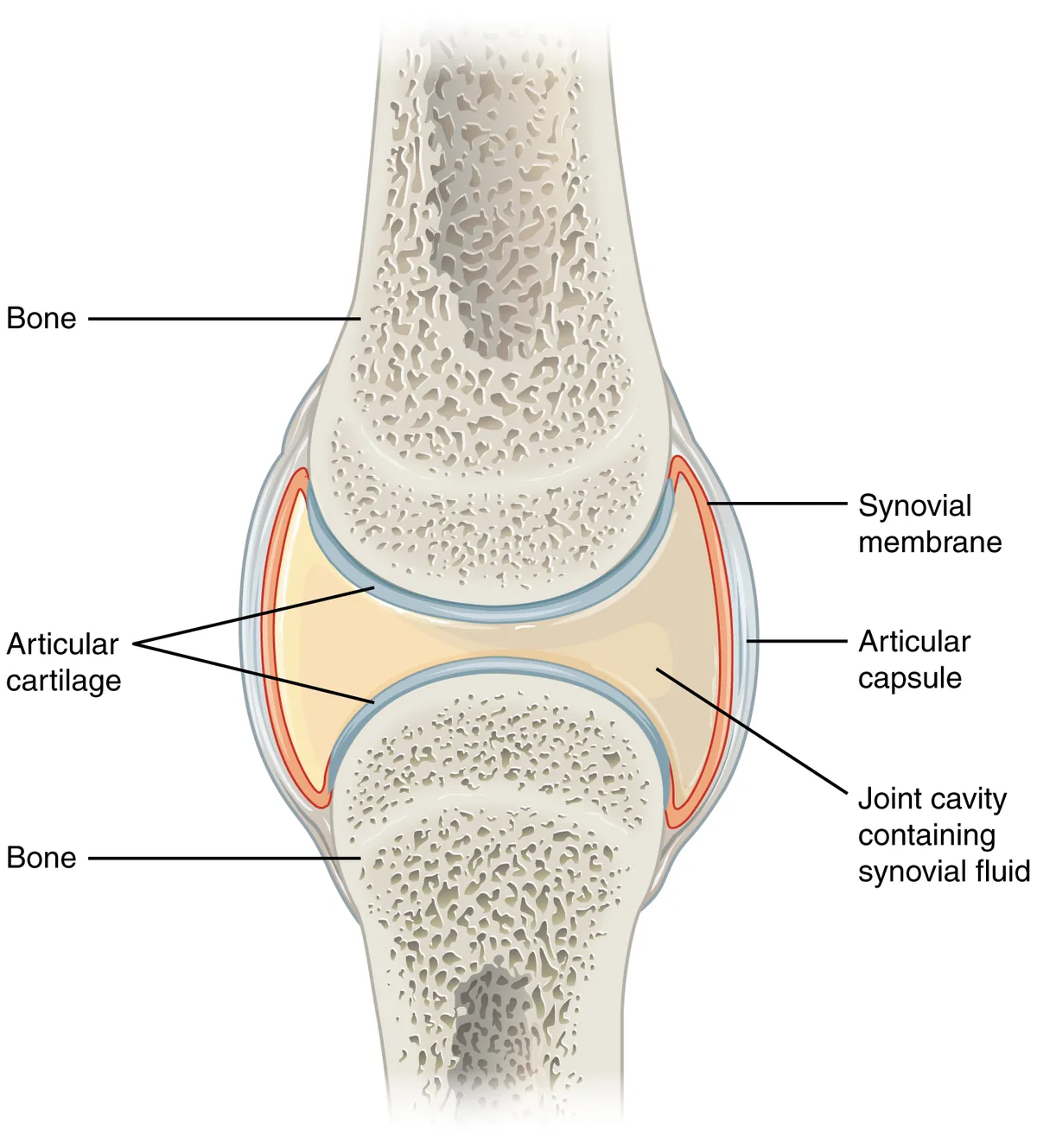
What arthritis care is
Most people with arthritis do not need an operation, and many who eventually will are years away from it. Non-surgical care is not a holding pattern — done properly it meaningfully reduces pain and improves function.
A good plan combines strengthening the muscles that protect the joint, reducing the load going through it, sensible pain relief, and honest advice about which activities help and which make things worse.
Who needs it
These are the signs that usually bring someone to a consultation about this. Having one of them does not mean you need the procedure — it means it is worth assessing.
- Early or moderate arthritis on X-ray, with pain that is not yet disabling
- Pain that comes and goes with activity rather than being constant
- Patients who are not medically fit for surgery, or who prefer to defer it
- Anyone who wants to understand their options before committing to an operation
What actually helps
The evidence for arthritis care is reasonably clear about what makes a difference over months and years, as opposed to what feels good for a week.
- Muscle strengthening — particularly the quadriceps for knee arthritis — is one of the most effective single measures
- Weight reduction has a disproportionate effect, because several times body weight passes through the knee with each step
- Staying active in low-impact ways: walking on level ground, cycling, and swimming
- Avoiding deep squatting, floor sitting, and stair-heavy routines where they clearly aggravate the joint
- Medication used deliberately and reviewed, rather than taken indefinitely without follow-up
How it is done at Poona Orthopaedic Clinic
A first arthritis consultation covers where the pain is, what makes it worse, an examination of the joint and the ones around it, and X-rays if they have not already been done. Most patients leave with a plan rather than a date for surgery: exercises to strengthen the muscles that protect the joint, advice on weight and activity, sensible pain relief, and injections where they are likely to help. The plan is reviewed, and joint replacement is discussed only when a good non-surgical plan has stopped being enough.
- Examination and X-rays to confirm the diagnosis and stage the arthritis
- A written plan: exercise, weight and activity advice, medication, and injections where useful
- Regular review, with surgery discussed only when non-surgical care has had a fair trial
Recovery, honestly
Timelines vary between patients. This is the usual shape of recovery rather than a promise about your own.
First consultation
Examination, X-rays where needed, and a clear explanation of the stage of arthritis and the realistic options.
Weeks 1–6
A specific exercise programme, pain relief plan, and activity advice tailored to your daily routine.
Weeks 6–12
Review of what has helped. Most patients who stick with strengthening notice a real difference by this point.
Ongoing
Periodic review. Surgery is discussed if and when pain and function reach the point where it becomes the better option.
Questions patients ask
Cartilage that has already worn away does not grow back. What can genuinely change is how much pain you have and how well the joint works, and both often improve a lot with the right programme.
The evidence is mixed and, on balance, weak. Some patients report benefit and they are generally safe, but they should not replace strengthening and weight management, which have far better evidence behind them.
Usually the opposite. Complete rest weakens the muscles that protect the joint. The aim is to change how you load it — level ground rather than stairs and slopes, sensible footwear, and steady rather than sudden activity.
It is less about the X-ray and more about your life: pain at night, pain at rest, shrinking walking distance, and giving up things that matter to you. When those set in despite good non-surgical care, replacement is worth discussing.
What patients say
Experiences with arthritis care live on the clinic’s Google profile, exactly as patients wrote them — we link to reviews rather than curating them here.
Related symptoms
Related treatments
Joint injections
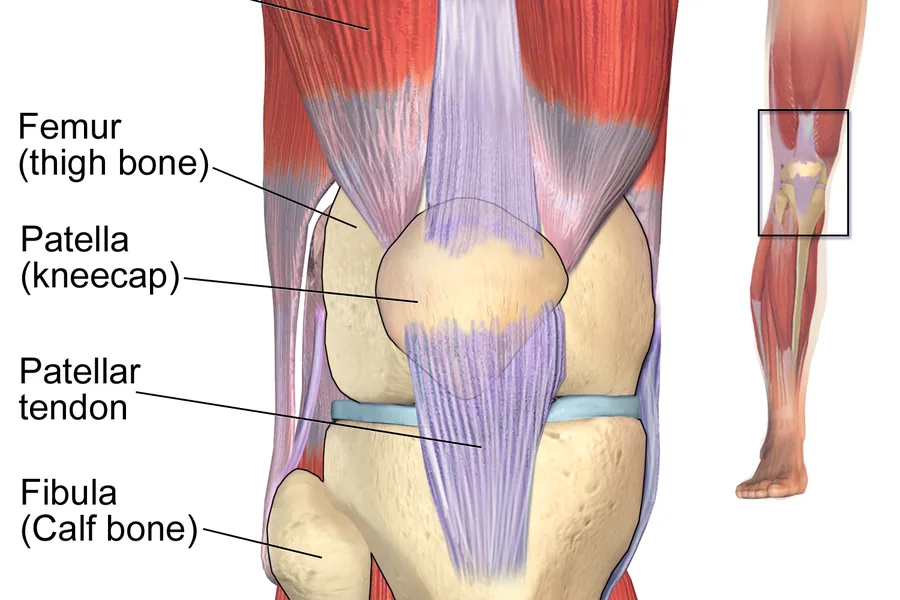
Targeted injections used to settle inflammation and pain in a specific joint or tendon, usually to make rehabilitation possible.
Read more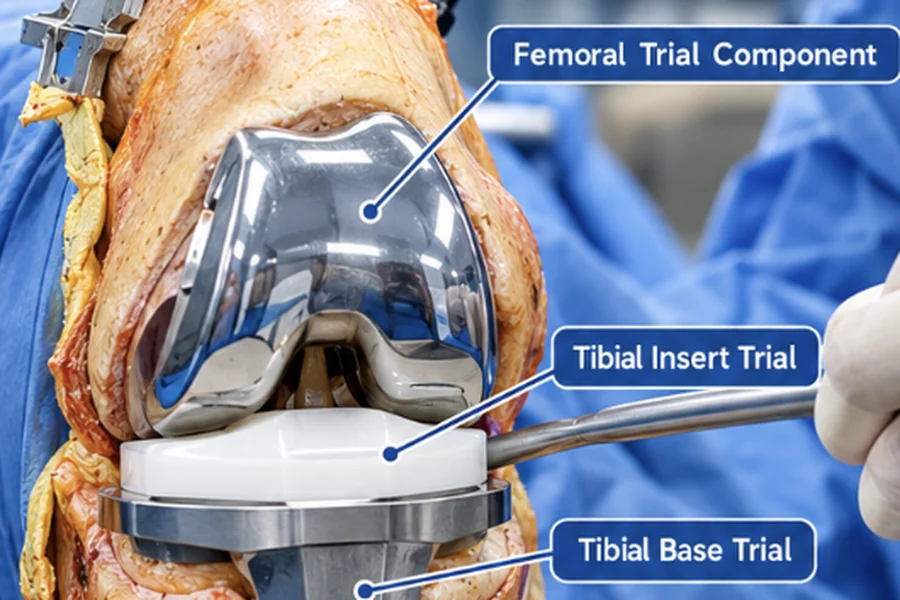
Robotic knee replacement surgery
Resurfacing a knee worn down by arthritis, with robotic assistance to place the implant exactly to plan — less pain after surgery, a faster recovery, and a knee that lets walking, stairs and sleep stop hurting.
Read moreConsidering arthritis care?
Bring your X-rays or MRI if you have them. A consultation should leave you clear about what is wrong, what the options are, and what happens if you wait.