Start with what hurts
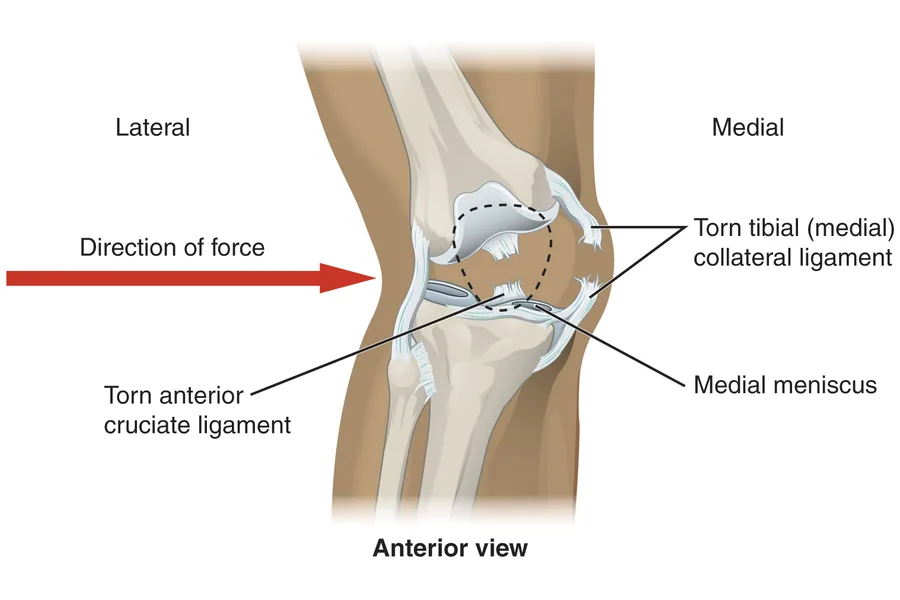
Most people do not arrive knowing the name of the procedure they need — they arrive with a knee that hurts on stairs. These pages explain the likely causes, what the pattern of your pain suggests, and when it is worth seeing someone.
Where does it hurt, and how did it start?
Two taps, and the pages worth reading appear. It is a signpost, not a diagnosis.
1 Where does it hurt?
2 How did it start?
Answer both questions and the right pages appear here.
Things patients often believe
Tap a belief to see the plainer truth.
Walking on level ground keeps the muscles that protect the joint strong and helps cartilage stay nourished. It is stairs, slopes, squatting and long standing that aggravate an arthritic knee — ration those, keep walking.
Osteoarthritis explainedMost people with arthritis on an X-ray never need an operation. Treatment is decided by how much the joint limits your life, not by what the film looks like. Many worn-looking knees stay comfortable for years on exercise, weight control and the occasional injection.
Non-surgical arthritis careModern implants commonly last fifteen to twenty years or more. How long yours lasts depends on your weight, activity, bone quality and how well the implant is positioned — which is why the operation is planned carefully rather than rushed.
Robotic knee replacementA careful examination and an X-ray answer the question in most cases. An MRI is most useful when a soft-tissue injury such as a meniscus or ligament tear is suspected, or when surgery is being planned — not as a first step for every ache.
Knee pain explainedA few days of rest after an injury is sensible. Weeks of rest weaken the very muscles that protect the joint and make most problems worse. Gentle, regular movement within comfort is almost always the better prescription.
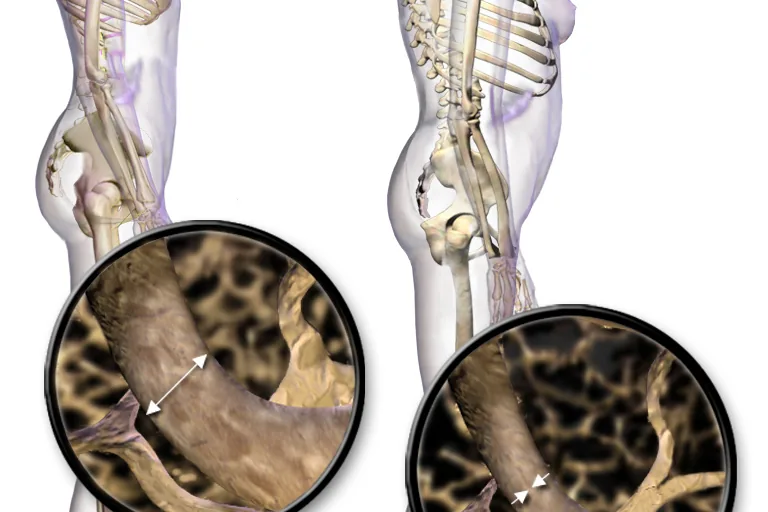
Start with what hurtsIt is more common in women, but men account for a substantial share of hip fractures, and men are less likely to be tested or treated. A fracture from a minor fall, at any age past fifty, is a reason to check bone density.
Osteoporosis and bone healthIt does not. The sound is gas releasing in the joint fluid. Decades of studies, including one researcher who cracked one hand for sixty years and not the other, have found no link to arthritis.
Discomfort during physiotherapy in the early weeks is expected and is usually a sign the work is being done. What is not expected: a hot, red, oozing wound; a calf that is swollen and tender; fever; or a sudden inability to bear weight. Those need a call the same day.
Recovery, week by weekStill not sure what is going on?
That is the normal starting point. Call Poona Orthopaedic Clinic and describe what hurts — an examination will narrow it down far faster than reading will.