Osteoarthritis
The gradual wearing of joint cartilage — the most common form of arthritis, and one where the right plan makes a real difference.
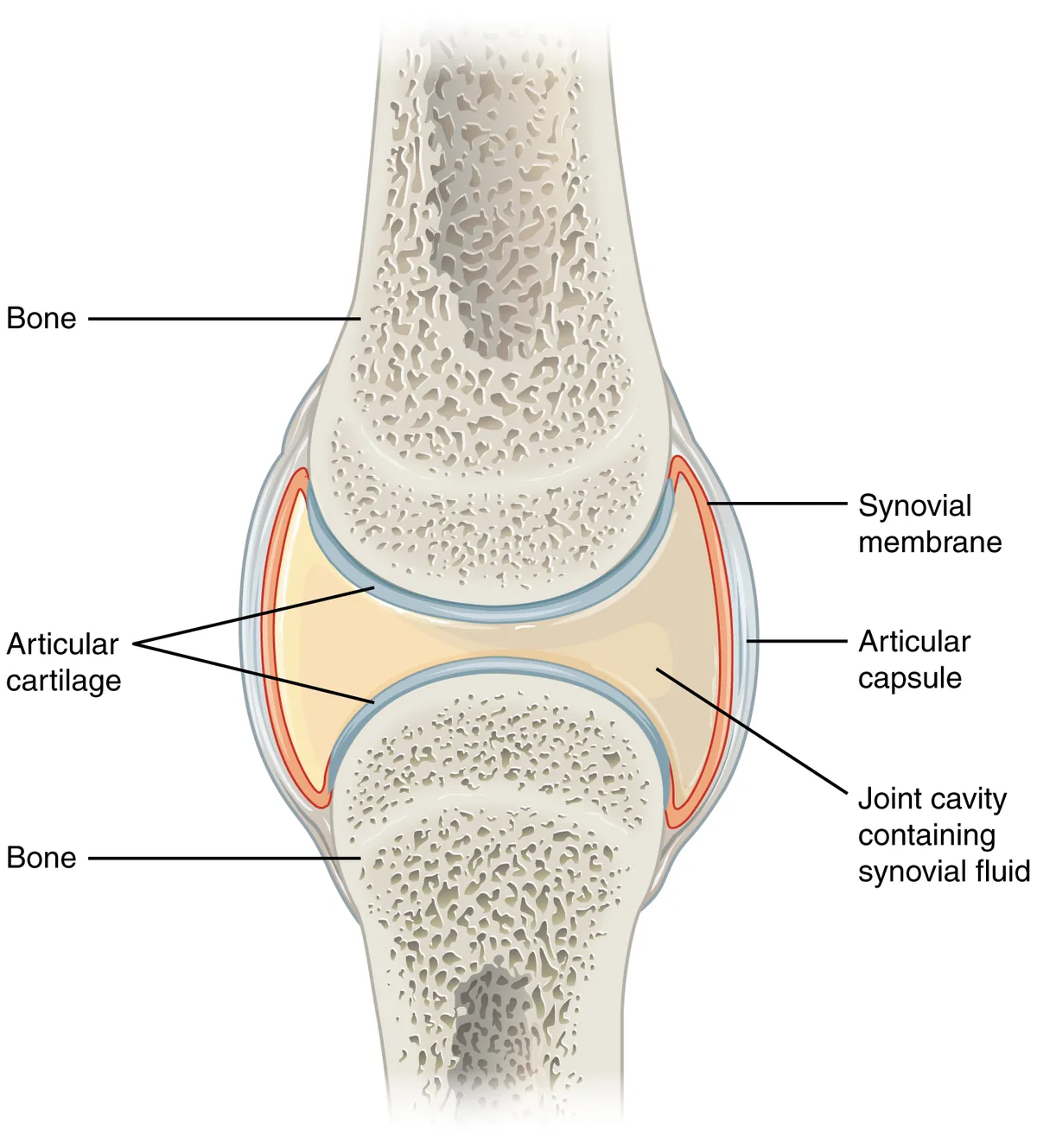
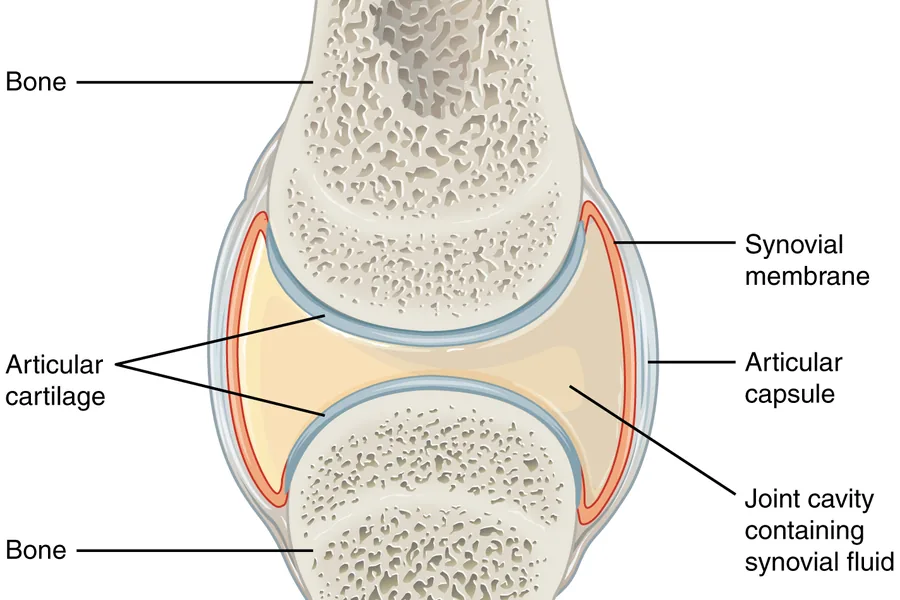
Osteoarthritis is the wearing away of the smooth cartilage that lines a joint. As it thins, the bones underneath take more load, the joint becomes stiff and painful, and over years the shape of the joint can change.
It is often described as "wear and tear", which undersells it — the joint is actively changing, not simply eroding. The practical point is that pain and function respond well to treatment even though the cartilage itself does not grow back.
Common causes
Age
The single biggest factor. Most people show some changes by their sixties.
Body weight
Several times body weight passes through the knee with each step, so extra weight accelerates wear and increases pain.
Previous injury
A past meniscus tear, ligament injury, or fracture involving a joint surface raises the risk considerably.
Occupation and activity
Years of heavy lifting, deep squatting, or repeated kneeling load joints more than average.
Family history and alignment
Genetics and the natural alignment of your legs both influence how a joint wears.
When to see a doctor
- Joint pain that has become a daily feature rather than an occasional one
- Morning stiffness, or stiffness after sitting, that takes time to loosen
- Shrinking walking distance, or giving up activities you used to do
- Pain at night or at rest
- Visible change in the shape or alignment of the joint
Signs that need urgent care
Do not wait for an appointment if you have any of these — go to an emergency department.
- — A single joint that becomes hot, red, and acutely painful — this may be infection or gout and needs prompt assessment
- — Many joints inflamed with prolonged morning stiffness, which suggests an inflammatory arthritis rather than osteoarthritis
- — Unexplained weight loss or fever alongside joint pain
What helps in the meantime
- Strengthen the muscles around the joint — this is the intervention with the best return on effort
- Lose weight if there is weight to lose; even a modest reduction is felt in the knees
- Choose low-impact activity: level walking, cycling, swimming
- Reduce deep squatting, floor sitting, and unnecessary stair use
- Use a stick in the opposite hand when walking distances
What a consultation involves
Arthritis is assessed on examination and on X-rays, which show how much of the joint surface has worn and how the leg is aligned. Together that gives a stage — and the stage, along with how much the pain limits your life, decides the plan. The plan is agreed with you, written down, and reviewed: exercise and weight first, medication and injections where useful, and joint replacement only when the joint has genuinely worn out and the non-surgical plan is no longer enough.
Questions patients ask
Not necessarily at a steady rate. Osteoarthritis often progresses slowly and in fits and starts, and many people stabilise for years, particularly if they strengthen the muscles around the joint and manage their weight.
No. There is no good evidence linking joint cracking to osteoarthritis.
Yes, and it is one of the most effective treatments. The type matters — regular low-impact activity and strengthening help, while repeated deep squatting and high-impact loading tend to aggravate.
When pain is present at rest or at night, when walking distance has shrunk enough to limit your life, and when a fair trial of non-surgical treatment has not helped. It is a quality-of-life decision more than an X-ray decision.
What patients say
Experiences with osteoarthritis live on the clinic’s Google profile, exactly as patients wrote them — we link to reviews rather than curating them here.
How osteoarthritis is treated
Depending on the cause and how far it has progressed, these are the treatments that usually come into the conversation.
Non-surgical arthritis care
A structured plan to control arthritis pain and keep you active — for the many patients who do not need surgery, or who are not ready for it.
Read more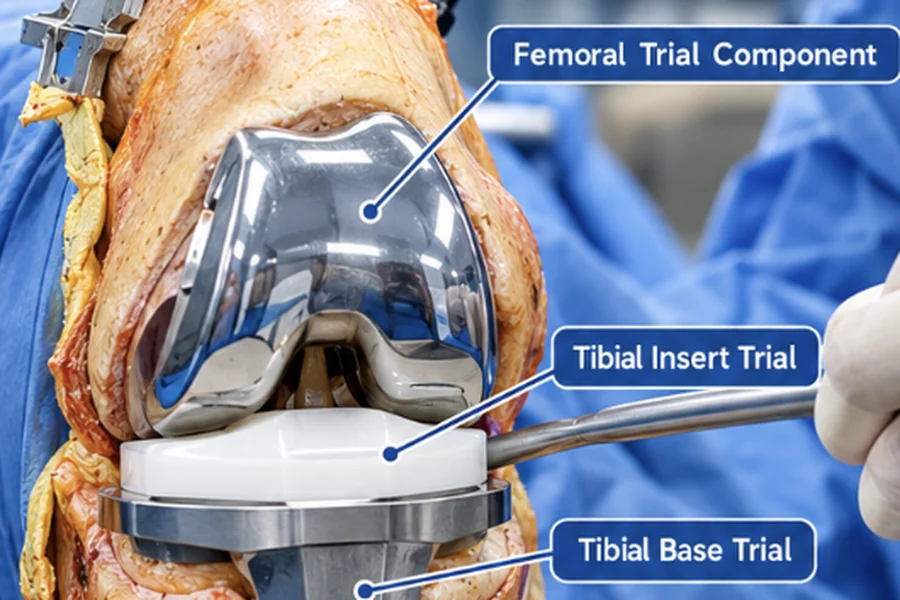
Robotic knee replacement surgery
Resurfacing a knee worn down by arthritis, with robotic assistance to place the implant exactly to plan — less pain after surgery, a faster recovery, and a knee that lets walking, stairs and sleep stop hurting.
Read more
Robotic hip replacement surgery (DAA)
Replacing a worn hip through the DAA, with robotic assistance to position the new ball and socket — muscle-sparing surgery for long-standing groin and hip pain.
Read more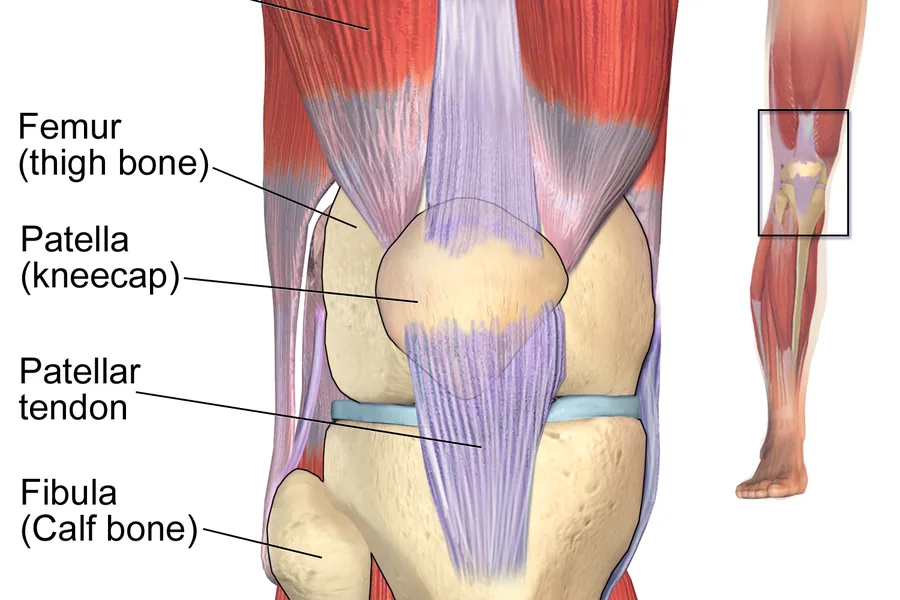
Joint injections
Targeted injections used to settle inflammation and pain in a specific joint or tendon, usually to make rehabilitation possible.
Read moreOther conditions
Living with osteoarthritis?
An examination narrows things down quickly. Bring any scans you already have and you will leave knowing what is actually wrong.