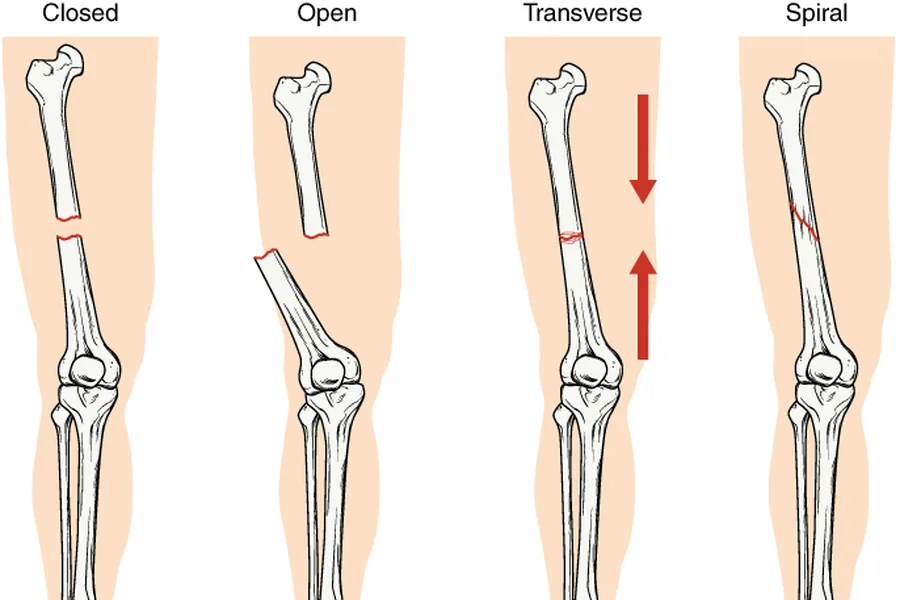
A hip fracture in an older person is a life-changing event, and the fall that causes it is usually not dramatic — a trip on a doorstep, a slip on a wet bathroom floor, a stumble in the dark on the way to the toilet. Which means most of them are preventable, and the prevention lives in the home, not the hospital.
Ten changes, in order of how often they matter
- Bathroom first: a non-slip mat inside and outside the bathing area, and a grab rail by the toilet and in the bathing area. Wet floors cause more fractures than anything else.
- A night light between bed and bathroom. Most night-time falls happen in the dark on a familiar route.
- Remove loose rugs and doormats, or tape them down. Edges that curl are trip wires.
- Tidy wires and cables off the floor, especially charger leads by the bed and sofa.
- Fix the raised doorstep between rooms, or mark its edge with a contrasting strip.
- Keep everyday items at waist height. Climbing on a stool to reach the top shelf is how many fractures start.
- Check the stairs: a rail on at least one side, ideally both, and good light at the top and bottom.
- Wear shoes or chappals with a back and a grip indoors — not loose slippers, not socks on tiles.
- Get eyes tested and glasses updated; bifocals in particular make steps hard to judge.
- Review medicines with your physician. Sleeping tablets, some blood-pressure drugs and anything that causes dizziness raise fall risk.
The person, not only the house
Balance and leg strength are the other half. Simple daily practice — standing on one leg while holding the kitchen counter, sit-to-stand from a chair ten times, heel-to-toe walking along a line — measurably reduces falls. Yoga and tai chi, done regularly, do the same.
And the bone itself
If you have had a fracture from a minor fall, or you are a woman past the menopause or a man over 70, ask about a bone density (DEXA) scan. Osteoporosis is silent until it breaks something, and it is treatable: calcium and vitamin D are the foundation, and bone-strengthening medicines roughly halve the risk of a further fracture in people who need them.
The most effective fracture prevention in the country is a grab rail and a night light.