Osteoporosis and bone health
Bone that has become thin and fragile enough to break from a minor fall — silent until it causes a fracture, and largely preventable.
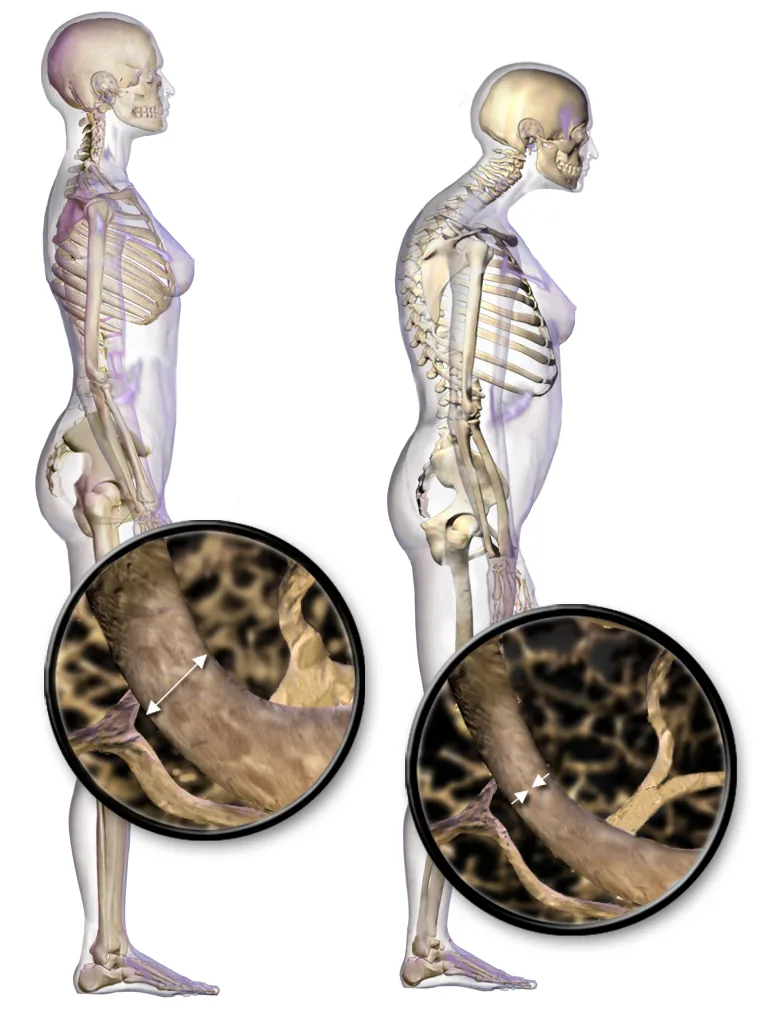
Osteoporosis means the internal structure of bone has thinned to the point where it breaks more easily than it should. It causes no symptoms at all until a fracture happens, which is why it is often diagnosed only after a wrist, spine, or hip fracture.
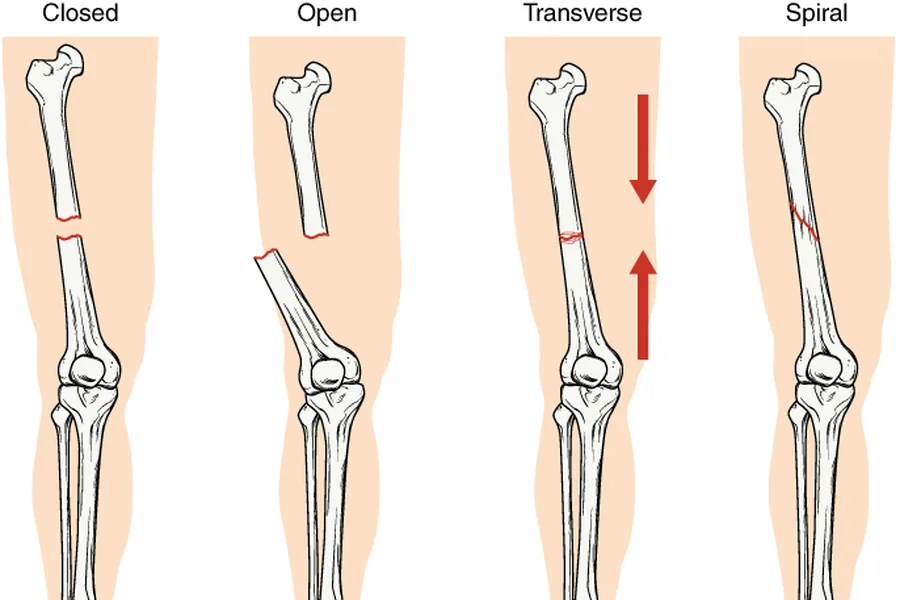
It matters in orthopaedics because a fragility fracture — a break from a fall from standing height or less — is a warning that the next one may be more serious.
Common causes
Age and menopause
Bone density falls with age, and drops more rapidly in women in the years after menopause.
Low calcium and vitamin D
Widespread, and readily correctable. Vitamin D deficiency is common even in sunny climates when sun exposure is limited.
Long-term steroid use
One of the most important reversible risk factors for bone loss.
Inactivity
Bone responds to load. Prolonged inactivity accelerates loss.
Smoking, heavy alcohol use, and low body weight
All independently increase the risk.
When to see a doctor
- A fracture from a fall from standing height or less, at any age over 50
- Loss of height, or a developing stoop
- Sudden back pain in an older adult, which may indicate a spinal compression fracture
- Long-term steroid treatment
- A parent who had a hip fracture
Signs that need urgent care
Do not wait for an appointment if you have any of these — go to an emergency department.
- — Sudden severe back pain after minimal or no injury
- — Back pain with numbness, weakness, or bladder or bowel changes — seek urgent care
- — A fracture with no meaningful injury at all
What helps in the meantime
- Weight-bearing exercise — walking, stair climbing, and resistance work all stimulate bone
- Adequate calcium in the diet, and vitamin D corrected if it is low
- Stop smoking and moderate alcohol intake
- Reduce falls at home: loose rugs, poor lighting, and slippery bathroom floors cause more fractures than most people realise
- Balance training, which is one of the most effective ways to prevent falls in older adults
What a consultation involves
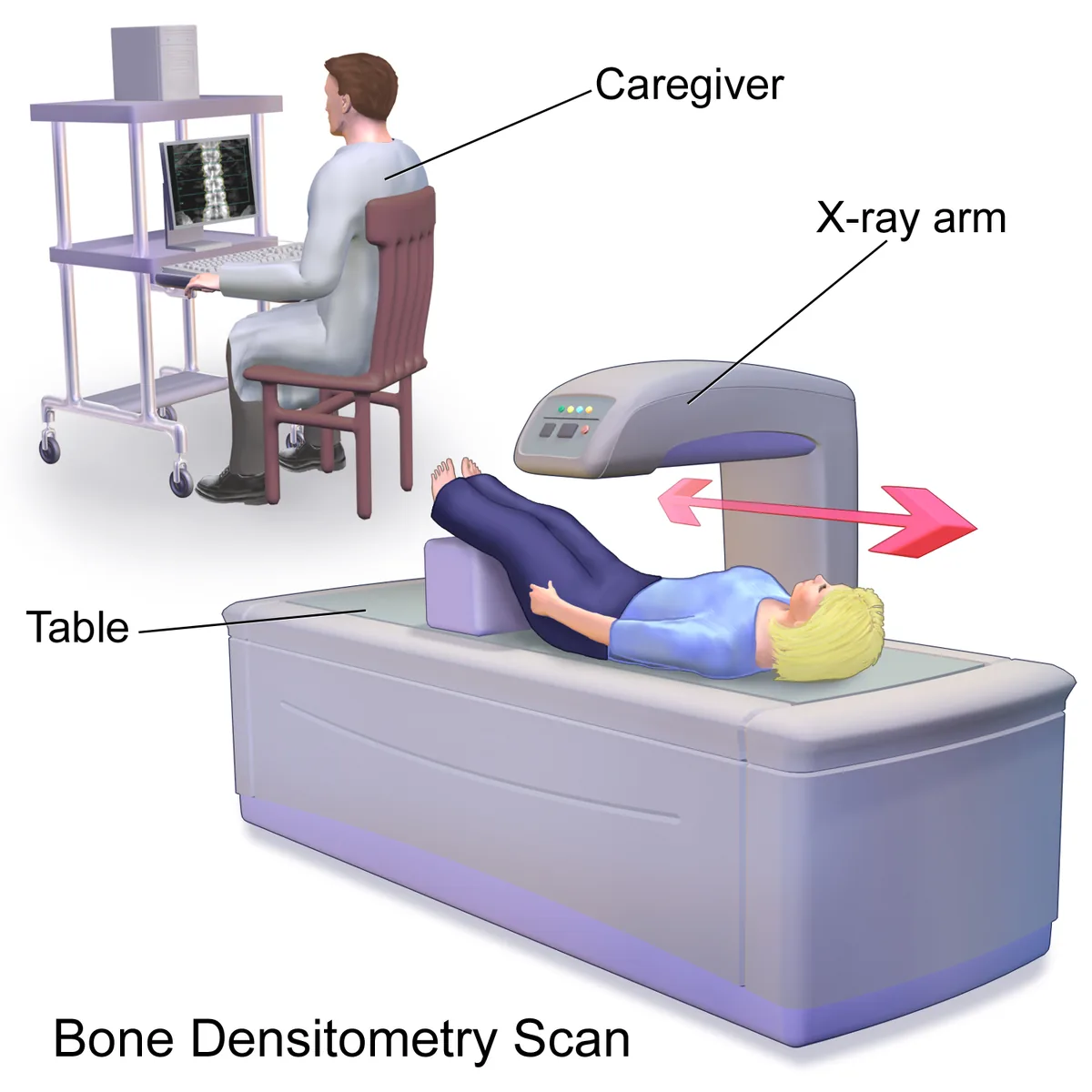
Osteoporosis is usually first suspected after a fracture from a minor fall, or from risk factors picked up at a consultation for something else. A bone density (DEXA) scan is arranged through a nearby imaging centre, and the result is discussed alongside your age, family history and any previous fractures to estimate fracture risk. Treatment — calcium, vitamin D, exercise and, where indicated, bone-strengthening medication — is planned with your physician, and fracture-risk patients are reviewed regularly.
Questions patients ask
Usually with a DEXA bone density scan, alongside blood tests to check calcium, vitamin D, and to look for other causes of bone loss.
Bone density can be improved and, importantly, fracture risk can be substantially reduced with treatment, exercise, and correcting deficiencies. The aim is preventing the next fracture.
Usually not. Calcium and vitamin D are the foundation, but patients at genuine risk often need specific bone-protecting medication, and exercise remains essential.
What patients say
Experiences with osteoporosis and bone health live on the clinic’s Google profile, exactly as patients wrote them — we link to reviews rather than curating them here.
How osteoporosis and bone health is treated
Depending on the cause and how far it has progressed, these are the treatments that usually come into the conversation.
Other conditions
Living with osteoporosis and bone health?
An examination narrows things down quickly. Bring any scans you already have and you will leave knowing what is actually wrong.