Past forty, most people notice their joints for the first time — a knee that comments on staircases, a shoulder that objects to a high shelf. The instinct is to treat this as inevitable decline. The evidence says otherwise: a handful of unglamorous habits meaningfully changes how joints age.
1. Build muscle — it is the joint’s shock absorber
Strong muscles absorb force before cartilage has to. Quadriceps strength in particular is one of the best-documented protectors of the knee. Twice a week of resistance work — bodyweight squats to a chair, step-ups, resistance bands — is enough to matter.
2. Treat body weight as a joint prescription
Each walking step puts one to one-and-a-half times body weight through the knee; stairs, three or more. Losing even four to five kilos measurably reduces knee pain in people with early arthritis. It is the single most effective non-surgical treatment we can offer, and it costs nothing.
3. Move daily, gently, and on level ground
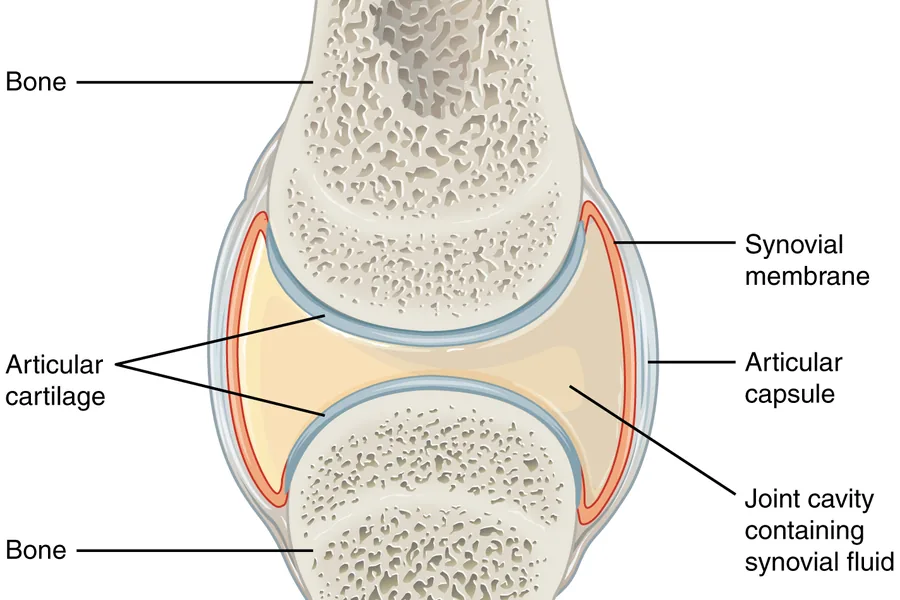
Cartilage has no blood supply — it is nourished by movement squeezing fluid in and out of it. Level walking, cycling, and swimming feed the joint without punishing it. Total rest, comfortable as it feels, starves cartilage and wastes muscle at the same time.
4. Ration the deep-bend positions
Deep squatting, prolonged floor sitting, and heavy stair use are part of daily life in India, and nobody is suggesting abandoning them wholesale. But in a knee that has started to complain, they are the highest-load positions there are — rationing them is often the difference between an irritable knee and a quiet one.
5. Look after the bone underneath
Joint health rests on bone health. Weight-bearing exercise stimulates bone; vitamin D deficiency is common in India despite the sunshine, because so little skin sees midday sun. Adequate dietary calcium and checked-and-corrected vitamin D are the foundation — particularly for women approaching and past menopause.
6. Spend on shoes, not supplements
The evidence for glucosamine and most joint supplements is weak; the evidence for cushioned, supportive footwear on hard urban surfaces is common sense that holds up. If a supplement helps you and is safe, no harm — but it should never replace strengthening and weight management, which actually have data behind them.
7. Take the right pains seriously, early
- A joint that swells repeatedly, locks, or gives way.
- Pain that wakes you at night or is present at rest.
- A fracture from a minor fall — a warning about bone strength, not bad luck.
- Pain that has quietly shrunk how far you walk.
None of these is a wait-and-watch symptom. Caught early, most joint problems have more options and better ones — the condition pages on this site explain what each pattern of pain usually means and when to be seen.