Being advised surgery is a moment when most people stop asking questions — partly relief that there is a plan, partly not wanting to seem difficult. It is exactly the moment to ask more. Bring this list; a surgeon who is confident in the advice will be glad of it.
About the diagnosis
- 1. What exactly is wrong, and how sure are you? What did the examination show, as opposed to the scan?
- 2. Is the thing on the scan definitely the cause of my symptoms? (Many scans show wear that is not what hurts.)
About the alternatives
- 3. What happens if I do nothing for now? Will I be worse off in a year, or the same?
- 4. What non-surgical treatment has been tried, and has it had a fair trial — the right exercises, for long enough?
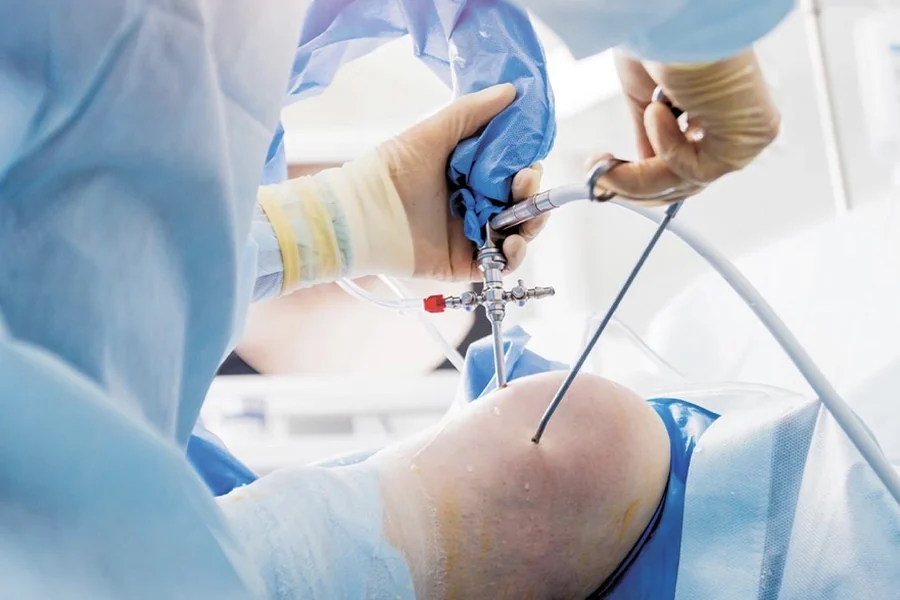
- 5. Is there a smaller procedure that would do, and what does it give up compared to the bigger one?
About the operation
- 6. What are the specific risks in my case, and what is done to reduce each one?
- 7. Where will it be done, who will be in the theatre, and how many of these do you do?
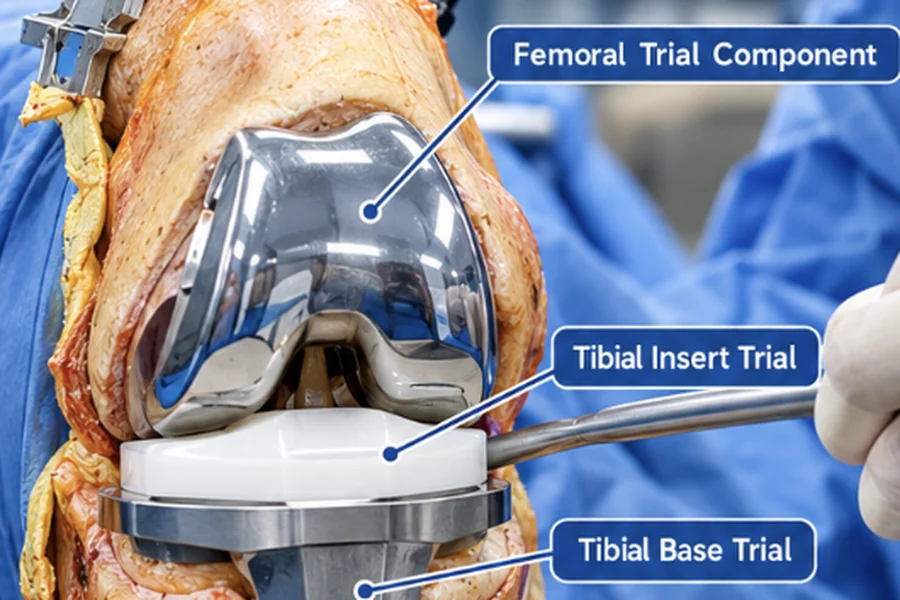
- 8. What implant or graft will be used, and why that one?
About the recovery
- 9. What does week two look like? Week six? Month six? (Ask for the honest version, not the best case.)
- 10. What will I be able to do afterwards that I cannot do now — and what will I still not be able to do?
- 11. Who runs the physiotherapy, how often, and for how long? What is my part in the result?
- 12. What would make you say the operation had not worked, and what happens then?
One more, for yourself
Is the problem limiting the life I want to live — not the life a scan says I should have? Surgery is for the person, not the picture. If the answers to the twelve questions above leave you uncertain, a second opinion costs a consultation and is never an insult to the first surgeon.
The right operation survives every question on this list. The wrong one does not survive the third.