Sports injuries
Twists, tears, sprains and overuse injuries — assessed properly so you return to sport at the right time rather than the earliest time.
Sports injuries fall into two groups: sudden injuries from a specific incident, and overuse injuries that build up over weeks of training. They need different thinking — one is about damaged tissue, the other about training load.
The most common serious sporting injuries seen in an orthopaedic clinic involve the knee and the shoulder: ligament tears, meniscus tears, dislocations, and rotator cuff problems.
Common causes
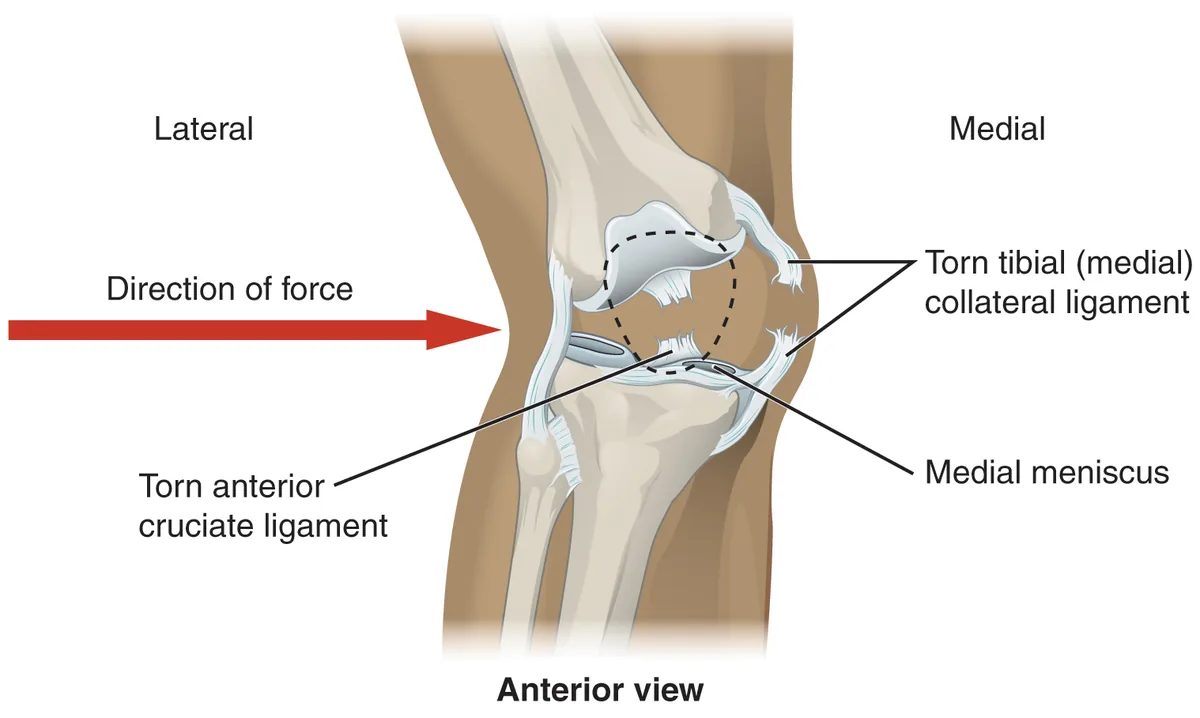
ACL and other ligament tears
Typically a twist or awkward landing, often with a pop, rapid swelling, and later a sense of the knee giving way.
Meniscus tears
A twist on a loaded knee. Pain on the joint line, sometimes catching or locking.
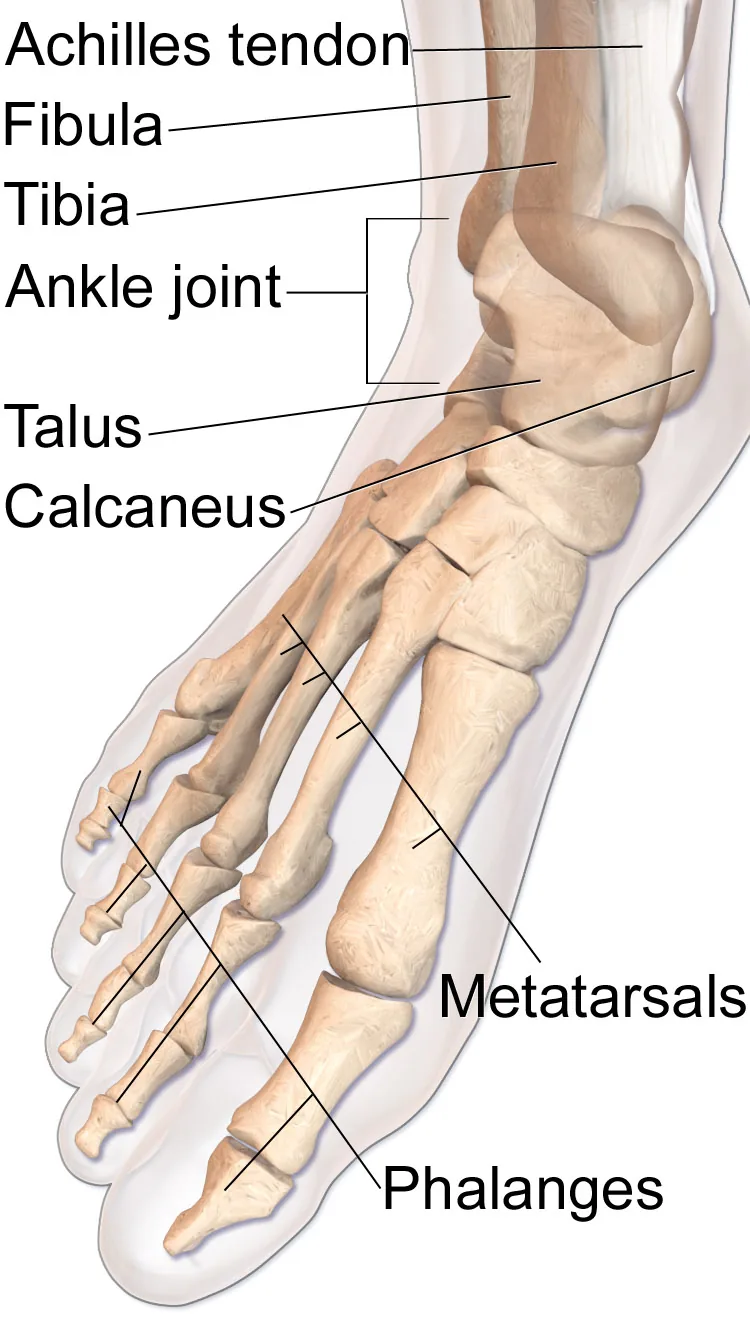
Ankle sprains
The most common sports injury of all. Most recover well, but repeated sprains and lingering instability need proper rehabilitation.
Shoulder dislocation and instability
Common in contact sports; a first dislocation in a young athlete carries a high chance of recurrence.
Overuse injuries
Tendinopathies and stress injuries from increasing training volume too quickly. Pain that starts after activity and progresses to pain during it.
When to see a doctor
- A joint that swelled up within a few hours of injury
- Inability to bear weight or continue playing
- A pop or snap at the time of injury
- A joint that gives way, catches, or locks
- Pain that has not settled with two weeks of relative rest
Signs that need urgent care
Do not wait for an appointment if you have any of these — go to an emergency department.
- — Obvious deformity or a joint that will not move
- — Numbness, tingling, or a cold limb
- — Severe pain out of proportion to the injury, or a tight, tense limb
- — A head or neck injury sustained during play
What helps in the meantime
- In the first 48 hours: protect, rest, ice over a cloth, compress, and elevate
- Avoid heat, massage, and aggressive stretching immediately after an acute injury
- Do not "run it off" if the joint swelled quickly or gave way
- Return to play should be based on regained strength and control, not on how many weeks have passed
What a consultation involves
Sports injuries are assessed by Dr. Atul Keswani, whose training is in sports medicine and arthroscopy. The consultation covers how the injury happened, an examination of the joint and the ones above and below it, and imaging where it will change the decision. Rehabilitation with a physiotherapist is arranged for the many injuries that do not need surgery, and return to sport is judged on strength and function rather than on a fixed number of weeks.
Questions patients ask
It depends entirely on the injury. A mild ankle sprain may be weeks; a reconstructed ACL is usually nine to twelve months. Returning before strength and control are restored is the main cause of re-injury.
Yes, it is significant. Rapid swelling usually means bleeding inside the joint, which points to a ligament tear or a fracture rather than a simple sprain. It deserves proper assessment.
No. Many injuries are diagnosed clinically and treated without imaging. MRI is most useful when a significant internal injury is suspected or when surgery is being considered.
What patients say
Experiences with sports injuries live on the clinic’s Google profile, exactly as patients wrote them — we link to reviews rather than curating them here.
How sports injuries is treated
Depending on the cause and how far it has progressed, these are the treatments that usually come into the conversation.
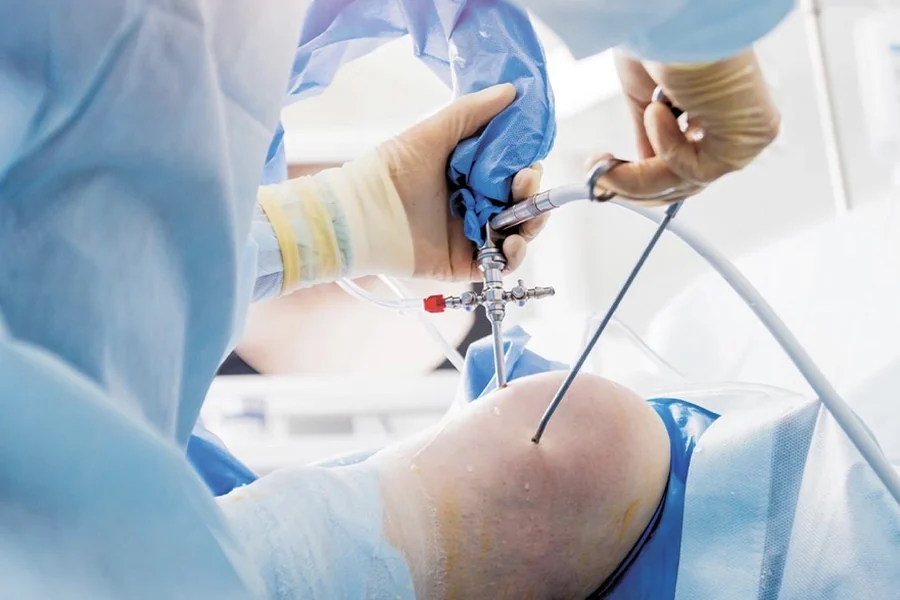
Knee arthroscopy
Keyhole knee surgery — a camera and fine instruments through two small incisions — for meniscus tears, ACL reconstruction, loose fragments and damaged cartilage.
Read more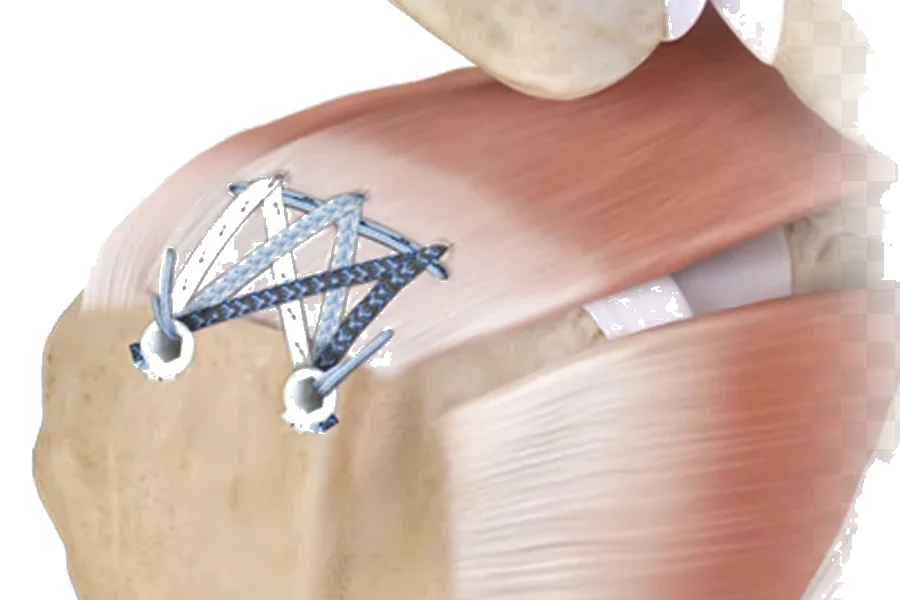
Shoulder and rotator cuff treatment
Diagnosing and treating the common causes of shoulder pain — rotator cuff tears, impingement, frozen shoulder, and instability.
Read more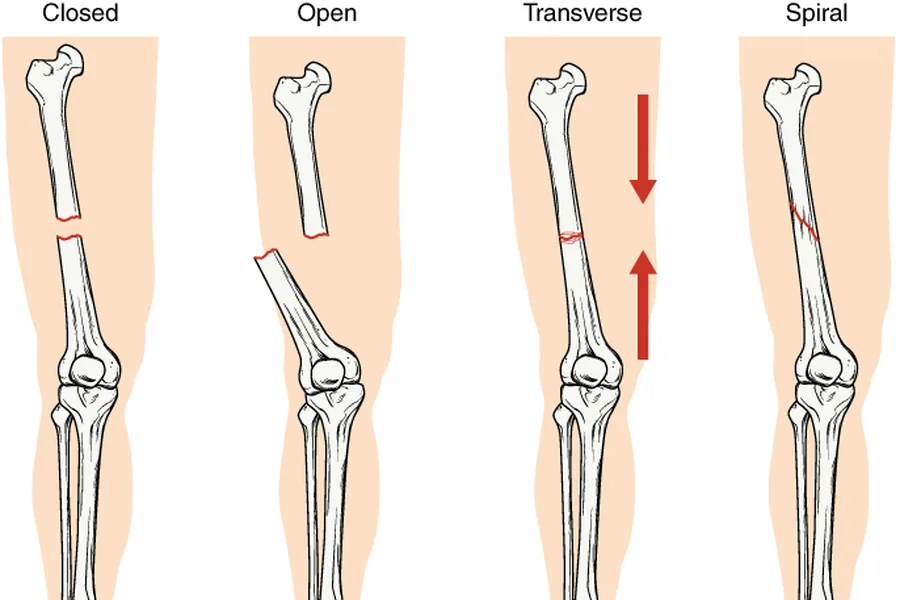
Fracture and trauma care
Assessment and treatment of broken bones — from casts and slings to surgical fixation with plates, screws, or nails.
Read moreOther conditions
Living with sports injuries?
An examination narrows things down quickly. Bring any scans you already have and you will leave knowing what is actually wrong.