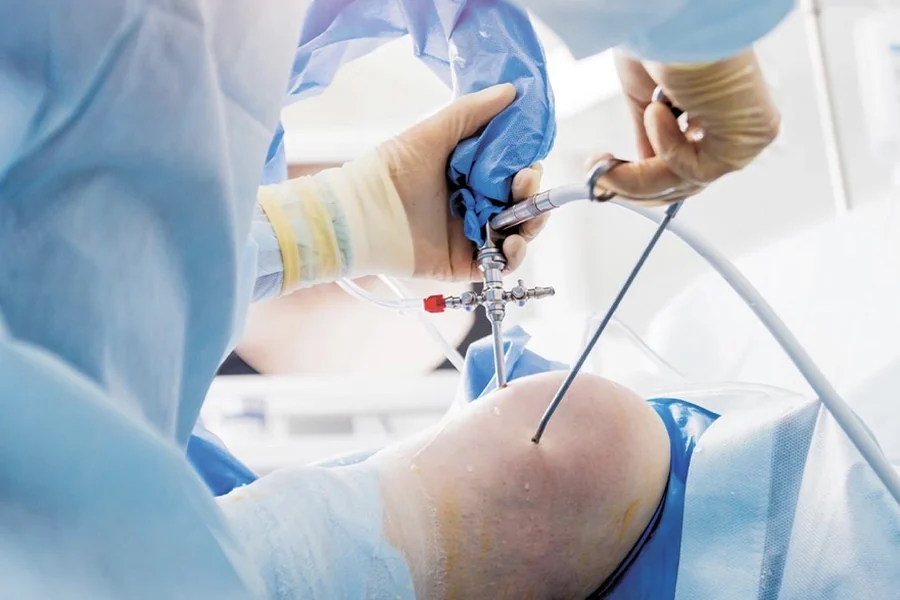
A twist, a pop, and a knee that will not straighten properly — it happens on cricket pitches, football grounds and badminton courts across Pune every weekend. What you do next matters more than most people realise.
The first hour
- Stop playing. A knee that gives way once will give way again, and the second injury is often worse than the first.
- Ice for 15–20 minutes at a time, wrapped in a cloth, every two to three hours while awake.
- Compress with a crepe bandage — firm, not tight; toes should stay warm and pink.
- Elevate above the level of the heart when sitting or lying.
- Paracetamol for pain. Avoid massaging the joint — it increases bleeding into it.
What the swelling is telling you
Swelling that appears within an hour or two is usually blood inside the joint, and blood in the joint usually means a ligament tear (most often the ACL) or a fracture. Swelling that develops slowly over a day is more typical of a meniscus tear or a sprain. Both need assessment, but the fast-swelling knee needs it sooner.
Four signs to be seen quickly
- You cannot put weight on the leg at all.
- The knee is locked — it will not fully straighten or bend, and something feels stuck.
- The knee gave way or felt like it dislocated, and swelled within an hour.
- The leg looks deformed, or the skin is broken over the injury.
Days two and three
Keep the knee moving gently within what is comfortable — locking it rigid in a brace for days makes it stiff and makes the examination harder. Short walks with support are fine if weight-bearing is possible. Book an assessment rather than waiting to see; an examination in the first week, before the swelling masks everything, gives the clearest picture, and an MRI is arranged if a ligament or meniscus injury is suspected.
The question everyone asks: will I need surgery?
Often not. Many meniscus tears, collateral ligament sprains and even some ACL injuries in people who do not pivot for a living are managed with rehabilitation. An ACL reconstruction is advised when the knee keeps giving way, or when the person plays a cutting or pivoting sport and wants to keep doing so. Either way, the strength work starts now, not after a decision about surgery.
Ice, elevate, and get it examined in the first week — before the swelling hides what the knee is trying to tell you.