Knee pain
Knee pain has a handful of common causes, and where it hurts and when it hurts usually points to which one.
The knee is the joint people notice first, because almost everything you do — stairs, squatting, getting up from a chair, walking to the gate — loads it. Pain there is common at every age, but the likely cause changes a great deal with age and with how the pain began.
A knee that started hurting after a twist on a sports field is a different problem from a knee that has been gradually stiffening over five years. Both are treatable; they just need different answers.
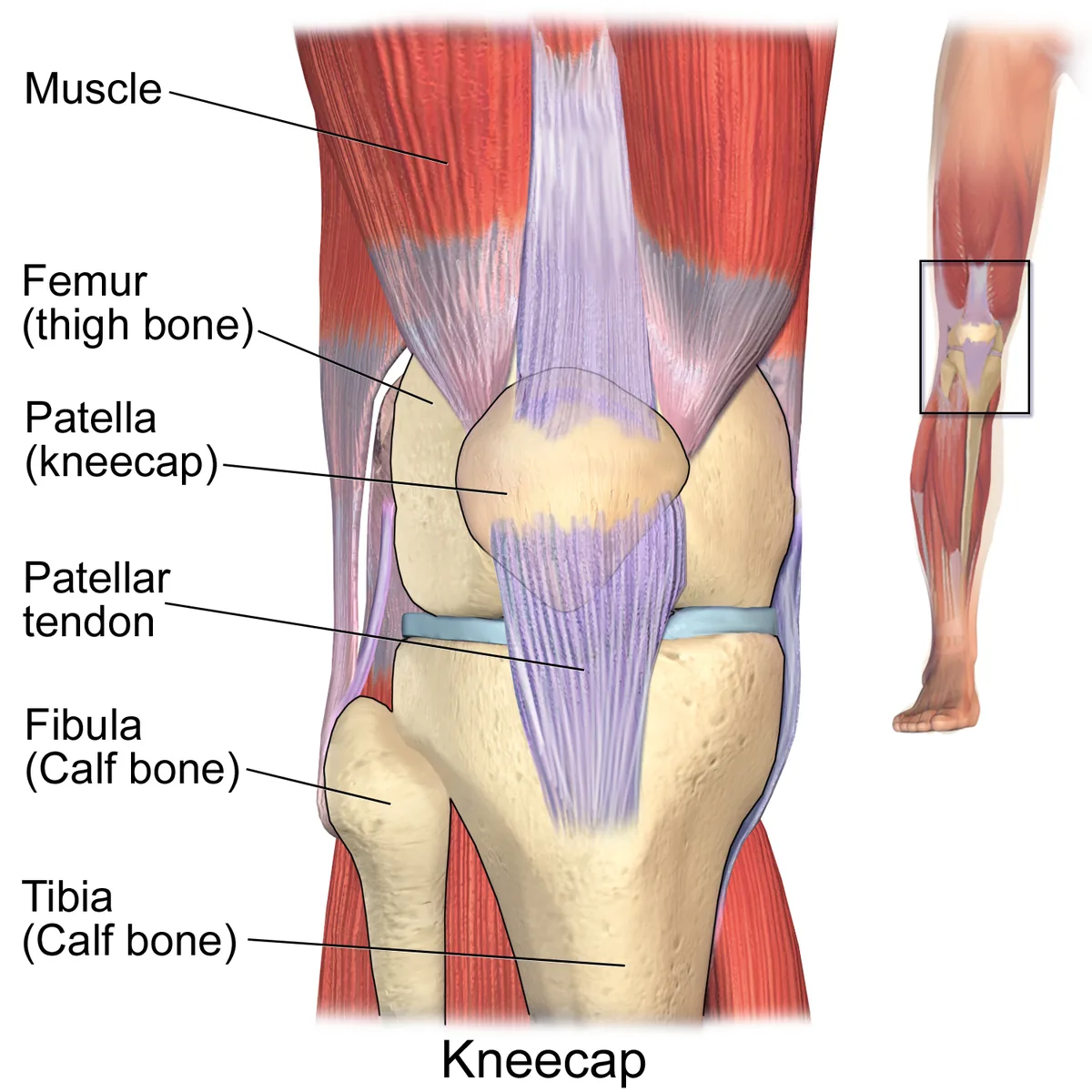
Common causes
Osteoarthritis
The most common cause in adults over about 45. Pain builds gradually, is worse on stairs and after sitting, and the knee stiffens up after rest. Often accompanied by a grating sensation.
Meniscus (cartilage) tear
Pain along the joint line, sometimes with catching, locking, or swelling after activity. Can follow a twist in a younger knee, or develop with wear in an older one.
Ligament injury, including the ACL
Usually a clear injury — a twist or a blow — followed by swelling within hours and a knee that later feels like it gives way when turning.
Patellofemoral pain
Pain at the front of the knee, around or behind the kneecap. Worse going downstairs, squatting, or after sitting for a long time. Common in younger and more active people.
Tendon problems and bursitis
Localised pain and tenderness just above or below the kneecap, or on the inner side of the shin. Often related to a recent increase in activity.
When to see a doctor
- Pain that has not improved after two to three weeks of rest and simple measures
- A knee that locks, catches, or cannot be fully straightened
- Repeated swelling, or swelling that comes on within hours of an injury
- A knee that gives way or feels unstable
- Pain at night or at rest, or pain that limits how far you can walk
Signs that need urgent care
Do not wait for an appointment if you have any of these — go to an emergency department.
- — Inability to bear weight on the leg after an injury
- — Obvious deformity of the knee or leg
- — A hot, red, swollen knee with fever — this needs urgent assessment
- — Numbness, coldness, or loss of pulse in the foot
What helps in the meantime
- Relative rest — reduce stairs, squatting, and long standing, but keep moving on level ground
- Ice for 15 minutes over a cloth, a few times a day, in the first days after a flare or injury
- Simple pain relief, if it is safe for you
- Start quadriceps strengthening early; weak thigh muscles make almost every knee problem worse
What a consultation involves
A knee consultation at the clinic starts with your story — when it began, what makes it worse, whether it swells, locks or gives way — followed by an examination of the knee and the hip above it. X-rays are arranged if they are needed; an MRI is asked for only when a soft-tissue injury such as a meniscus or ligament tear is suspected. You leave with a diagnosis or a clear plan to reach one, and the treatment options explained in plain language.
Questions patients ask
No. In people under 40, mechanical problems such as meniscus and ligament injuries and patellofemoral pain are far more common. Even in older patients, not every painful knee is arthritic.
Often not. A careful examination and an X-ray answer the question in most cases. MRI is most useful when a soft-tissue injury such as a meniscus or ligament tear is suspected, or when surgery is being planned.
Walking on level ground is generally good — it maintains the muscles that protect the joint. Stairs, slopes, and uneven ground are what usually aggravate an arthritic or injured knee.
What patients say
Experiences with knee pain live on the clinic’s Google profile, exactly as patients wrote them — we link to reviews rather than curating them here.
How knee pain is treated
Depending on the cause and how far it has progressed, these are the treatments that usually come into the conversation.
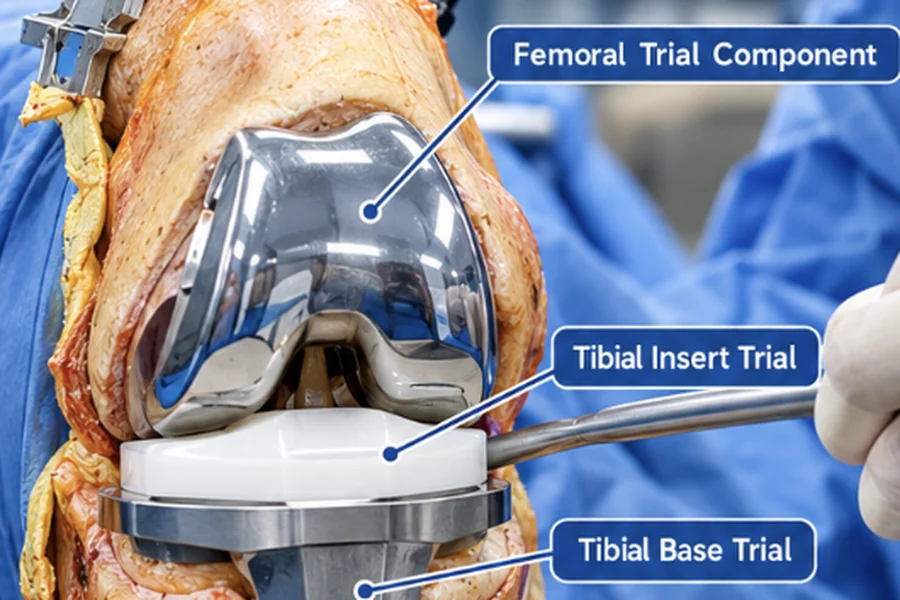
Robotic knee replacement surgery
Resurfacing a knee worn down by arthritis, with robotic assistance to place the implant exactly to plan — less pain after surgery, a faster recovery, and a knee that lets walking, stairs and sleep stop hurting.
Read more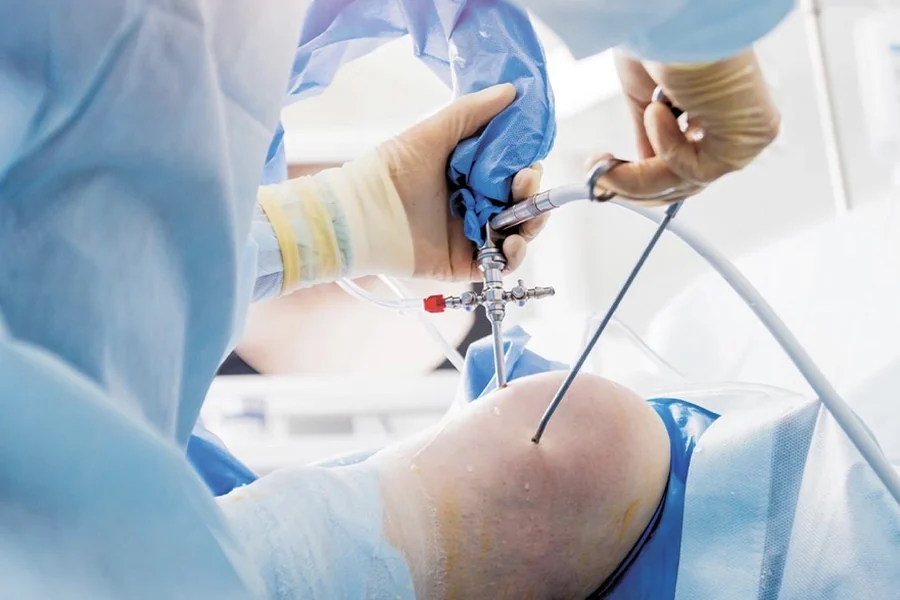
Knee arthroscopy
Keyhole knee surgery — a camera and fine instruments through two small incisions — for meniscus tears, ACL reconstruction, loose fragments and damaged cartilage.
Read more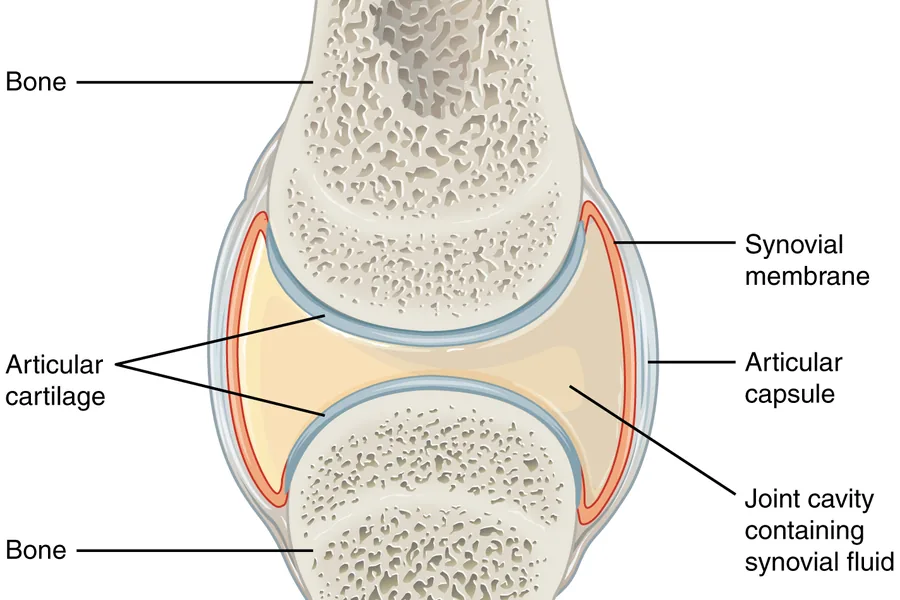
Non-surgical arthritis care
A structured plan to control arthritis pain and keep you active — for the many patients who do not need surgery, or who are not ready for it.
Read moreOther conditions
Living with knee pain?
An examination narrows things down quickly. Bring any scans you already have and you will leave knowing what is actually wrong.