Spine care — back pain, slipped disc and sciatica
Spine care in Pune for back pain, neck pain, slipped disc and sciatica — a diagnosis first, non-surgical treatment for the great majority, targeted injections for nerve pain, and spine surgery only for the few who need it.
At Poona Orthopaedic Clinic, Kondhwa, Pune — Dr. Harish Keswani.
Also called: Spine specialist consultation · Slipped disc (disc prolapse) treatment · Sciatica treatment · Cervical spondylosis and lumbar spondylosis treatment · Discectomy and spinal decompression · Spinal fusion
What spine care is
Spine care covers everything from a first episode of low back pain to surgery for a disc that is pressing on a nerve. At Poona Orthopaedic Clinic it is led by Dr. Harish Keswani, an orthopaedic, spine and joint replacement surgeon who heads the Department of Joint Replacement and Spine Surgery at Ruby Hall Clinic, Wanowrie.
The starting point is always the same: work out which structure is causing the pain — a muscle, a facet joint, a disc pressing on a nerve, a narrowed spinal canal, a weakened vertebra — because each of those is treated differently. The examination also checks the hips and the nerves of the arms and legs, since hip arthritis and nerve problems regularly disguise themselves as back pain.
Most spine problems are then treated without an operation: activity advice, physiotherapy, a short course of medication, and for persistent nerve-root pain a targeted injection. Surgery — removing the part of a disc pressing on a nerve (discectomy), widening a narrowed canal (decompression), or stabilising an unstable or fractured segment (fusion) — is reserved for the small number of patients in whom the problem is clearly structural and non-surgical treatment has not worked, or where there is weakness or nerve damage that cannot wait.
Who needs it
These are the signs that usually bring someone to a consultation about this. Having one of them does not mean you need the procedure — it means it is worth assessing.
- Back or neck pain that has lasted more than two to three weeks, or that keeps coming back
- Pain travelling down the leg below the knee (sciatica) or down the arm, with tingling or numbness
- Heaviness or pain in both legs on walking that eases on sitting — the pattern of spinal stenosis
- A slipped disc already seen on an MRI, when you want to know whether it needs surgery
- Weakness in a foot, leg, hand or arm — this needs prompt assessment
- Sudden back pain after a fall in an older adult, or with known osteoporosis
What is tried before any spine surgery
For most back and neck problems — including most slipped discs and most sciatica — this is the whole treatment, and surgery never becomes necessary.
- Staying active and a graded return to normal movement, rather than bed rest
- Physiotherapy: core and back strengthening, posture and work-station changes, neck mobility work
- A short course of medication for pain and nerve irritation
- Targeted injections (nerve-root or epidural) for persistent sciatica or arm pain from a compressed nerve
- Treatment of osteoporosis where a weakened vertebra is the cause
How spine problems are handled at Poona Orthopaedic Clinic
A spine consultation at the clinic in Kondhwa begins with the story of the pain and an examination of the spine, the nerves and the hips. Many patients need no scan at all; an X-ray is arranged when a fracture or wear-related change is suspected, and an MRI only when the symptoms point to a compressed nerve or when surgery is being considered — an MRI of most adults over forty shows disc bulges that cause no pain, so it is read alongside the examination rather than on its own. Treatment starts with the simplest option that will work. When surgery is the right answer it is done at Ruby Hall Clinic, with the alternatives, the expected recovery and what the operation will and will not change explained beforehand.
- Diagnosis before imaging — the examination decides whether a scan is needed
- Non-surgical treatment first for back pain, neck pain, disc prolapse and sciatica
- Targeted injections for nerve-root pain that is not settling
- Surgery for persistent nerve compression, progressive weakness, instability or fracture — discectomy, decompression, fusion
- Surgery at Ruby Hall Clinic, Wanowrie; follow-up at the clinic in Kondhwa
Recovery, honestly
Timelines vary between patients. This is the usual shape of recovery rather than a promise about your own.
Acute back or neck pain
Most episodes improve substantially within two to six weeks with activity and simple measures.
Slipped disc / sciatica without surgery
Leg or arm pain from a disc typically settles over six to twelve weeks; the disc bulge itself often shrinks on later scans.
After discectomy
Walking the same or next day; desk work often within two to four weeks; lifting and bending restrictions for about six weeks.
After decompression or fusion
A longer recovery — several weeks before most daily activities, and a few months before full return to physical work, with physiotherapy throughout.
Questions patients ask
When leg or arm pain from a compressed nerve has not settled after a proper trial of non-surgical treatment (usually six to twelve weeks), when there is progressive weakness in the leg or arm, or urgently if there is numbness around the buttocks or a change in bladder or bowel control. Pain alone, however severe, is usually treated first without an operation.
It depends on the operation — a discectomy is a smaller procedure than a decompression with fusion, which uses implants — and on the hospital room category and length of stay. Most health insurance policies cover spine surgery for a documented disc prolapse, stenosis or fracture, usually on a cashless basis after the insurer's waiting period. A written estimate is given after the consultation and the scan review.
Both are trained in spine surgery and treat the same conditions; orthopaedic spine surgeons also treat the hips, joints and bones that often cause similar pain, so for back or neck pain without a known cause an orthopaedic spine consultation is a sensible first step. For the great majority of patients, which specialist they see matters far less than getting the diagnosis right and trying non-surgical treatment properly.
Almost always. Spondylosis is age-related wear of the discs and small joints of the spine; it is managed with posture and work-station changes, neck or back exercises, short courses of medication for flares, and occasionally injections. Surgery is considered only when the wear is compressing a nerve or the spinal cord and causing weakness or persistent nerve pain.
Yes. Sciatica means a nerve root is irritated, usually by a disc, so treatment focuses on the nerve: keeping active, medication for nerve pain, physiotherapy, and a nerve-root injection if the pain is not settling. It usually improves over six to twelve weeks. A nerve that is causing weakness, or that has not settled with this, is when surgery is discussed.
The right technique depends on the problem — a single-level disc prolapse is a different operation from a multi-level stenosis or an unstable spine — and is discussed at the consultation once the scan has been reviewed. What matters more than the name of the technique is choosing the right operation for the right patient, and operating only when it is clearly needed.
Rarely for long. A lumbar belt or soft collar can help for a few days during an acute flare, but prolonged use weakens the muscles that should be supporting the spine. The aim is to get those muscles working again.
What patients say
Experiences with spine care live on the clinic’s Google profile, exactly as patients wrote them — we link to reviews rather than curating them here.
Related symptoms
Related treatments
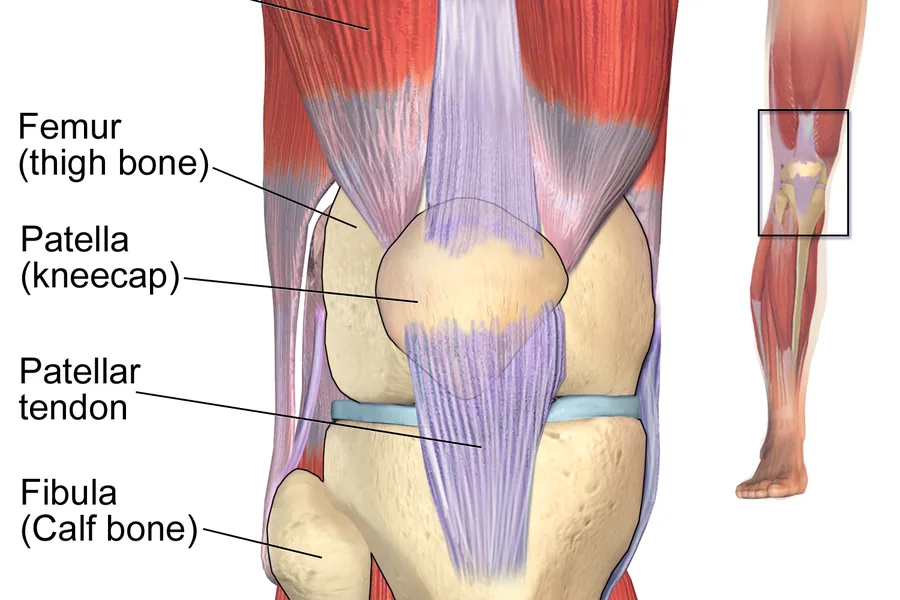
Joint injections
Targeted injections used to settle inflammation and pain in a specific joint or tendon, usually to make rehabilitation possible.
Read more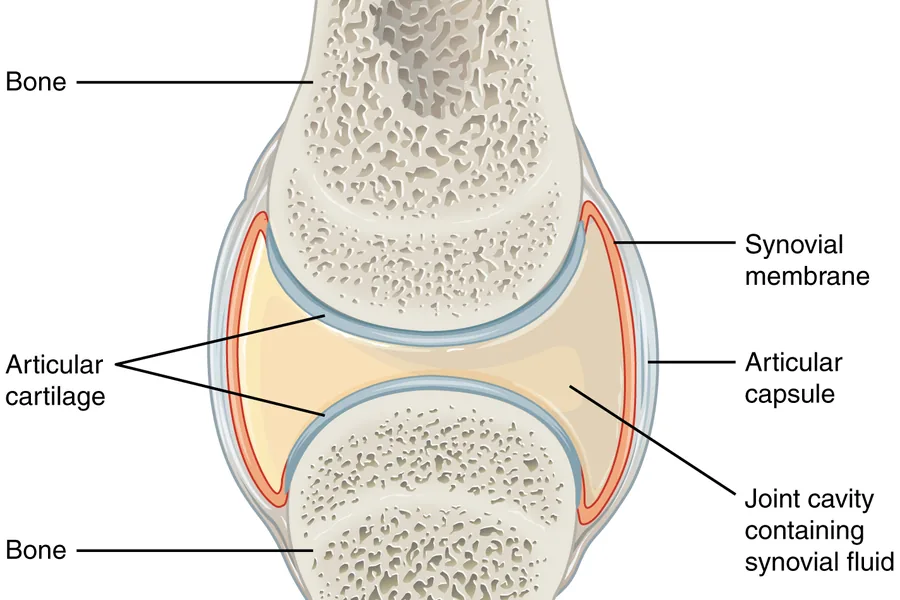
Non-surgical arthritis care
A structured plan to control arthritis pain and keep you active — for the many patients who do not need surgery, or who are not ready for it.
Read more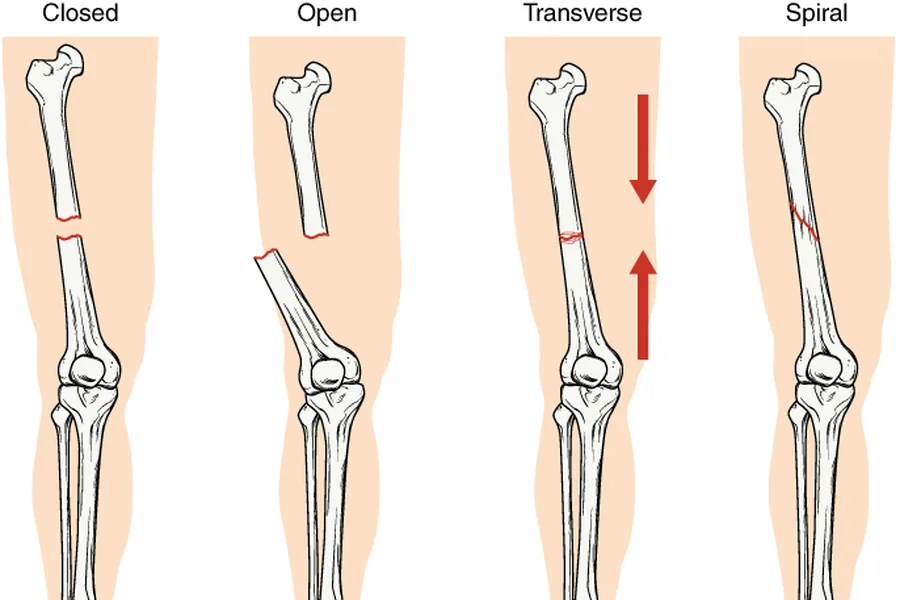
Fracture and trauma care
Assessment and treatment of broken bones — from casts and slings to surgical fixation with plates, screws, or nails.
Read moreConsidering spine care?
Bring your X-rays or MRI if you have them. A consultation should leave you clear about what is wrong, what the options are, and what happens if you wait.