Joint injections
Targeted injections used to settle inflammation and pain in a specific joint or tendon, usually to make rehabilitation possible.
Also called: Steroid injection · Viscosupplementation · PRP injection
What joint injections is
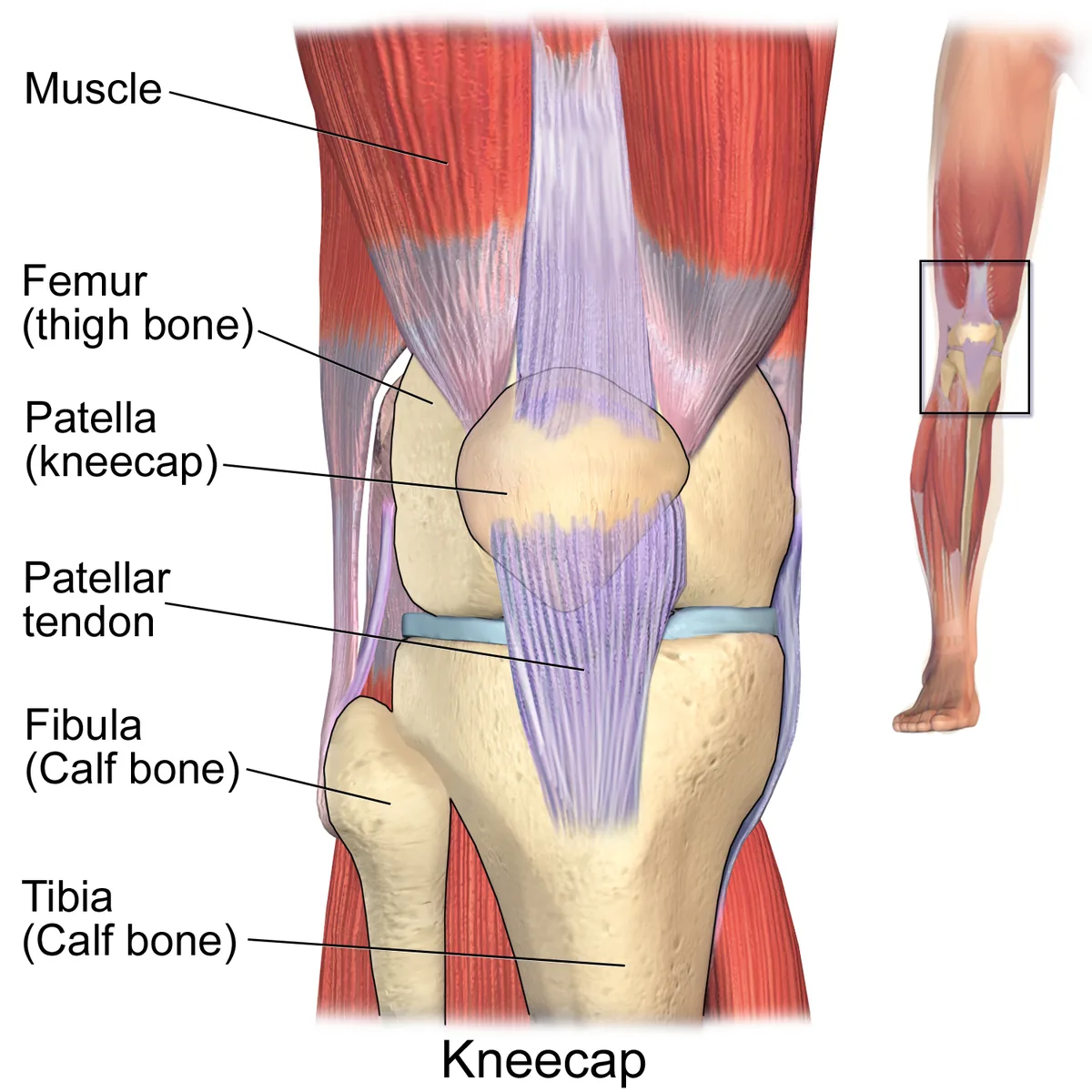
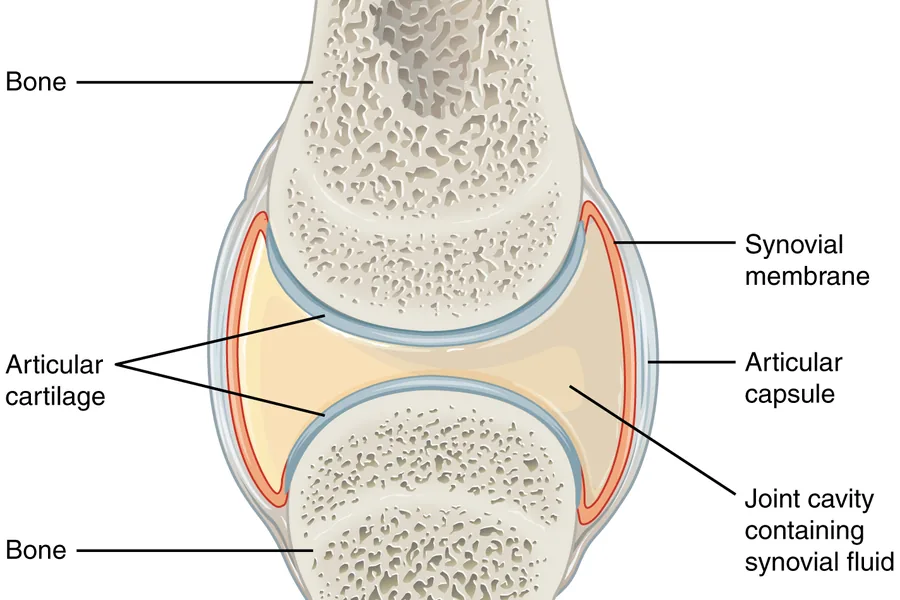
An injection places medication directly where the problem is, rather than relying on tablets to reach it. In orthopaedics that is most often a joint, a tendon sheath, or the space around an irritated tendon.
Injections are best thought of as a window rather than a cure: they reduce pain enough for you to do the strengthening work that produces the lasting improvement.
Who needs it
These are the signs that usually bring someone to a consultation about this. Having one of them does not mean you need the procedure — it means it is worth assessing.
- A painful, inflamed joint that is not settling with medication and physiotherapy
- A frozen shoulder where pain is blocking progress in physiotherapy
- Tendon problems such as tennis elbow or trigger finger, in selected cases
- Arthritis pain in a patient who is deferring or not suitable for surgery
What injections can and cannot do
Being clear about this avoids disappointment. Different injections do different things, and none of them rebuild a worn joint.
- Corticosteroid injections reduce inflammation and can relieve pain for weeks to months; they are limited in how often they can safely be repeated in the same joint
- Viscosupplementation (hyaluronic acid) aims to improve lubrication in mild to moderate arthritis, with modest and variable benefit
- PRP is derived from your own blood; the evidence is still evolving and results vary by condition
- No injection restores lost cartilage
How it is done at Poona Orthopaedic Clinic
Injections are used at the clinic as one part of a treatment plan, not as a stand-alone fix. Steroid injections can settle a flare of arthritis, a bursitis or a frozen shoulder enough to make exercises possible; the choice of injection, how many and how often is discussed for each patient, because repeated steroid injections into a joint have limits. Injections are given at the clinic in Kondhwa.
- Offered when an injection is likely to make rehabilitation possible, not as a substitute for it
- Given at the clinic; the type, number and spacing of injections is explained beforehand
- Reviewed as part of the wider plan — exercise, weight, and, if needed, surgery
Recovery, honestly
Timelines vary between patients. This is the usual shape of recovery rather than a promise about your own.
Day of injection
A brief procedure in the clinic. Some soreness at the site for a day or two is common.
Days 2–7
The effect usually begins here. Heavy loading of the joint is generally avoided in the first few days.
Weeks 2–12
The window where physiotherapy and strengthening should be pushed, because this is what makes the benefit last.
Questions patients ask
It varies widely — commonly a few weeks to a few months. Relief that is short-lived and repeatedly needed is a signal to reconsider the overall plan rather than simply repeat the injection.
Corticosteroid injections into the same joint are usually spaced out and limited in number, because repeated injections can affect cartilage and soft tissue. Your doctor will advise on your specific situation.
It depends on the condition, and the evidence is still developing. PRP avoids the concerns associated with repeated steroids, but it is not a proven substitute in every situation, and it costs considerably more.
What patients say
Experiences with joint injections live on the clinic’s Google profile, exactly as patients wrote them — we link to reviews rather than curating them here.
Related symptoms
Considering joint injections?
Bring your X-rays or MRI if you have them. A consultation should leave you clear about what is wrong, what the options are, and what happens if you wait.