Hip pain
True hip pain is usually felt in the groin, not the outer hip — and telling the two apart changes the diagnosis entirely.
The single most useful question in hip pain is where exactly it hurts. Pain from the hip joint itself is usually felt in the groin, and often travels down the front of the thigh towards the knee. Pain on the outer side of the hip, over the bony point, usually comes from the tendons and bursa there rather than from the joint.
That distinction matters, because it separates problems that may eventually need a hip replacement from problems that almost never do.
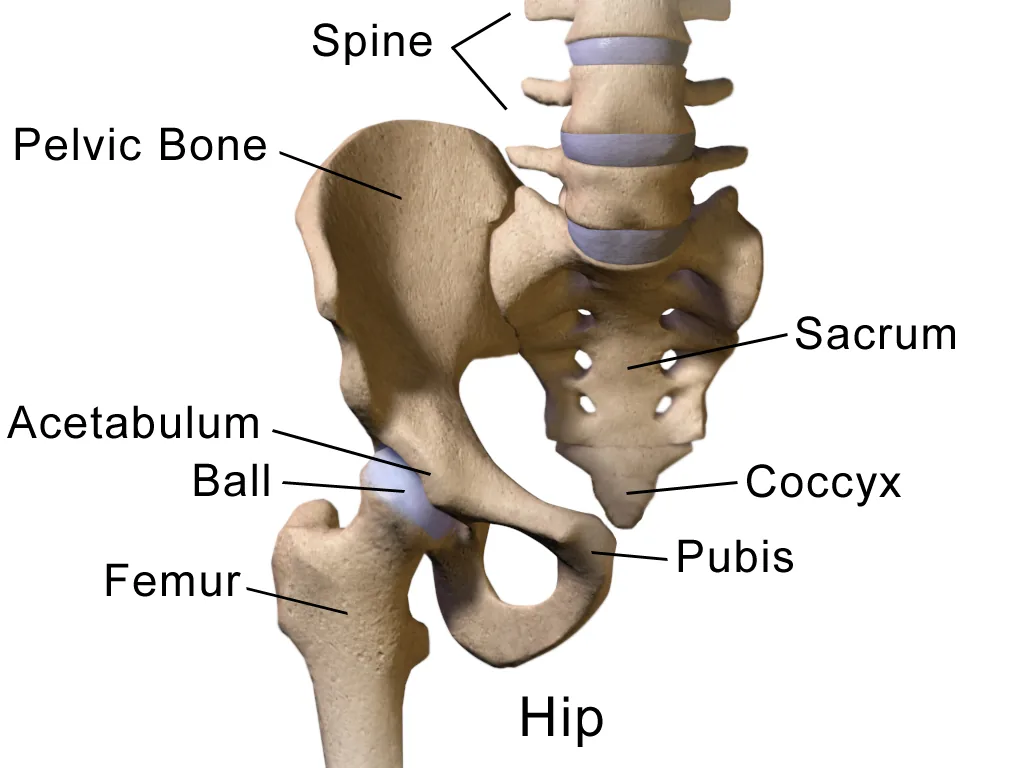
Common causes
Hip osteoarthritis
Groin pain and stiffness that build over years. Putting on socks and shoes and getting out of a car become difficult. Often a limp develops.
Avascular necrosis of the hip
The blood supply to the ball of the hip fails and the bone weakens. It can affect younger adults and is worth diagnosing early, because early treatment can sometimes preserve the joint.
Trochanteric bursitis and gluteal tendon problems
Pain and tenderness on the outer point of the hip, worse lying on that side at night and on stairs. Not a joint problem and not treated with joint surgery.
Referred pain from the lower back
Back problems commonly send pain into the buttock and down the leg, and are often mistaken for hip pain.
Hip fracture, especially in older adults
After a fall, an inability to bear weight with the leg turned outwards and shortened. This is an emergency.
When to see a doctor
- Groin pain that has persisted for more than a few weeks
- A limp, or shrinking walking distance
- Difficulty with socks, shoes, or getting in and out of a vehicle
- Night pain in the hip
- Any hip pain in someone taking long-term steroids or with a history of significant alcohol use, where avascular necrosis should be considered
Signs that need urgent care
Do not wait for an appointment if you have any of these — go to an emergency department.
- — Inability to bear weight after a fall — treat as a possible fracture
- — A shortened, outwardly rotated leg
- — Fever with hip pain
- — Progressive weakness or numbness in the leg
What helps in the meantime
- Use a walking stick in the hand opposite the painful hip — it reduces load through the joint significantly
- Avoid deep low seating, which forces the hip into extreme flexion
- Keep the hip moving with gentle range-of-motion and strengthening work
- Simple pain relief where appropriate
What a consultation involves
The first job in a hip consultation is to confirm that the hip joint itself is the source of the pain — true hip pain is felt in the groin, and back problems and tendon pain around the outer hip are common look-alikes. That takes a careful examination of the hip and the spine, and usually an X-ray. Where avascular necrosis is a possibility, an MRI is arranged early, because it is treated differently and time matters.
Questions patients ask
The hip joint shares nerve supply with the front of the thigh and knee, so hip problems very commonly present as thigh or knee pain. It is a well-recognised pattern, and a reason a doctor may examine your hip when you came in about your knee.
Almost never. Outer hip pain usually comes from tendons and bursa, and is treated with physiotherapy, load management, and sometimes an injection.
X-rays may be normal early on, so an MRI is often needed. Diagnosing it before the bone collapses is what opens up joint-preserving options.
What patients say
Experiences with hip pain live on the clinic’s Google profile, exactly as patients wrote them — we link to reviews rather than curating them here.
How hip pain is treated
Depending on the cause and how far it has progressed, these are the treatments that usually come into the conversation.
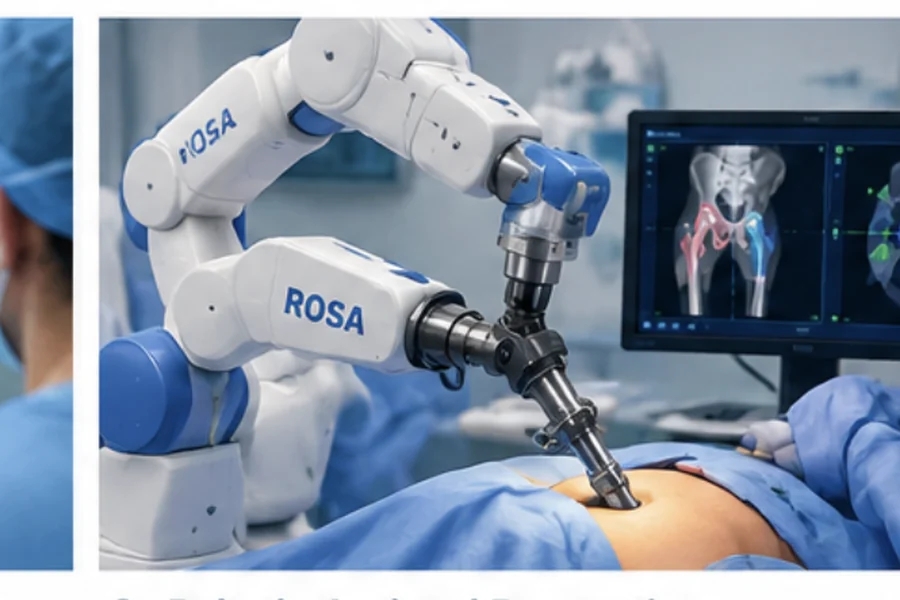
Robotic hip replacement surgery (DAA)
Replacing a worn hip through the DAA, with robotic assistance to position the new ball and socket — muscle-sparing surgery for long-standing groin and hip pain.
Read more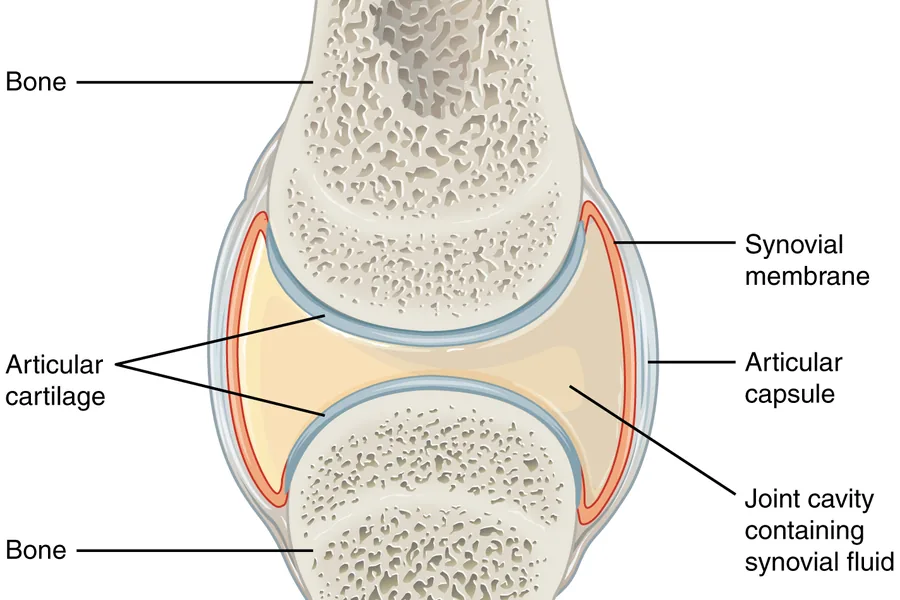
Non-surgical arthritis care
A structured plan to control arthritis pain and keep you active — for the many patients who do not need surgery, or who are not ready for it.
Read more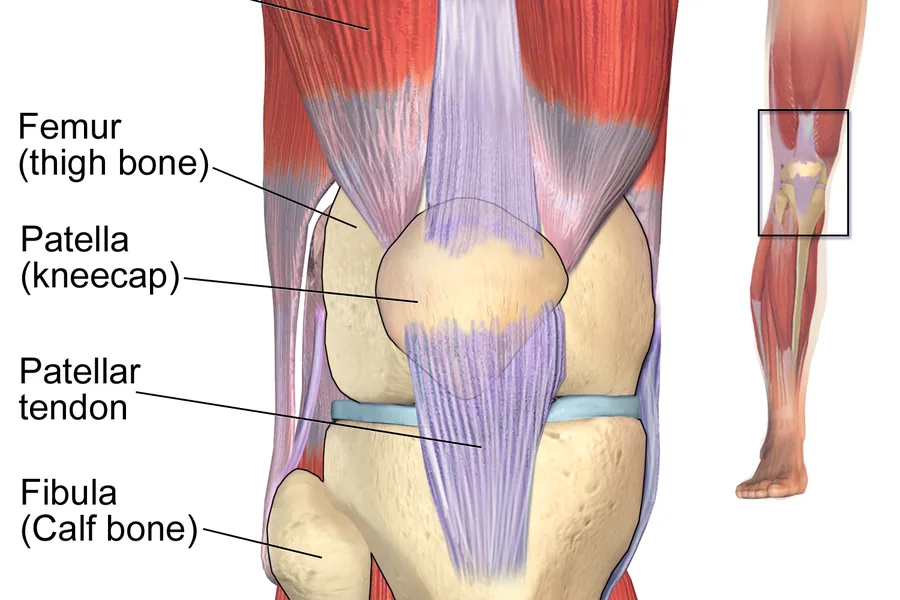
Joint injections
Targeted injections used to settle inflammation and pain in a specific joint or tendon, usually to make rehabilitation possible.
Read moreOther conditions
Living with hip pain?
An examination narrows things down quickly. Bring any scans you already have and you will leave knowing what is actually wrong.