Sports injury and sports medicine clinic
A sports injury clinic in Pune for knee, shoulder and ankle injuries — ACL and ligament tears, meniscus tears, shoulder dislocation and rotator cuff injuries, and overuse pain — assessed by a fellowship-trained sports injury surgeon, with rehabilitation first and keyhole surgery where it is needed.
At Poona Orthopaedic Clinic, Kondhwa, Pune — Dr. Atul Keswani.
Also called: Sports medicine doctor · Sports orthopaedic specialist · ACL and ligament injury treatment · Return-to-sport rehabilitation · Cricket, football and running injuries
What sports injury clinic is
Sports injuries are treated at the clinic by Dr. Atul Keswani, who completed fellowships in sports medicine and joint replacement at Deenanath Mangeshkar Hospital, trained in arthroscopy at Sporthopaedicum in Germany (a FIFA referral centre for sports injuries) and completed a shoulder surgery fellowship at the University of Cattolica, Italy.
A sports injury consultation is different from an ordinary orthopaedic visit in two ways. The diagnosis depends heavily on the story of the injury and a hands-on examination of the joint — the mechanism of a twist, a fall or a tackle narrows the possibilities before any scan. And the goal is defined by the sport: getting a cricketer, footballer, runner or gym-goer back to what they do, safely, rather than simply making the pain go away.
Many injuries settle with a structured rehabilitation programme and never need an operation. Where a ligament, meniscus, cartilage surface or rotator cuff genuinely needs repair, it is done by keyhole (arthroscopic) surgery, with the rehabilitation plan set out from day one and return to sport judged by function — strength, stability and confidence — not by the calendar.
Who needs it
These are the signs that usually bring someone to a consultation about this. Having one of them does not mean you need the procedure — it means it is worth assessing.
- A knee that swelled within hours of a twist or tackle, or that gives way when turning — the pattern of an ACL or other ligament tear
- Catching, locking or joint-line pain after a twisting injury — the pattern of a meniscus tear
- A shoulder that has dislocated, or feels loose and apprehensive overhead — instability
- Pain lifting the arm or lying on the shoulder after a fall or throwing injury — a possible rotator cuff injury
- An ankle sprain that is not settling after two to three weeks, or an ankle that keeps giving way
- Overuse pain in a runner, cricketer or gym-goer — shin, knee, Achilles, elbow or shoulder — that is limiting training
Rehabilitation comes first
The majority of sports injuries seen at the clinic are treated without surgery. A structured programme is set out and reviewed, and surgery is discussed only where a repair will clearly change the result.
- Early protection and swelling control in the first days after injury
- A graded strengthening and balance programme with a physiotherapist
- Sport-specific drills before return to play, so the joint is tested under the loads it will face
- Bracing or taping where it allows training to continue safely
How sports injuries are handled at Poona Orthopaedic Clinic
A consultation at the clinic in Kondhwa starts with the story of the injury and a hands-on examination; scans confirm what the examination suggests rather than replacing it, and an MRI is asked for when a soft-tissue injury such as an ACL, meniscus or rotator cuff tear is suspected. Where surgery is advised — ACL reconstruction, meniscus repair, shoulder stabilisation or rotator cuff repair — it is done by keyhole techniques at Ruby Hall Clinic, with the rehabilitation plan and the expected timeline to return to sport explained before the operation.
- Diagnosis from the mechanism of injury and examination, confirmed by scans where needed
- Rehabilitation-first for most injuries, with clear criteria for progressing
- Keyhole (arthroscopic) surgery for ligament, meniscus, cartilage and rotator cuff injuries that need repair
- Return to sport judged by strength, stability and sport-specific testing, not by a fixed date
- Surgery at Ruby Hall Clinic; follow-up and rehabilitation reviews at the clinic in Kondhwa
Recovery, honestly
Timelines vary between patients. This is the usual shape of recovery rather than a promise about your own.
Ankle sprain, muscle strain
Most settle in two to six weeks with a graded programme; ligament sprains that keep giving way need reassessment.
Meniscus repair
Walking soon after surgery with protection; running from around three months; pivoting sport from four to six months.
ACL reconstruction
Walking with support in the first days; jogging at around three months; return to pivoting sport usually nine to twelve months, when strength and stability tests are passed.
Shoulder stabilisation or rotator cuff repair
A sling for the first weeks, then progressive movement and strengthening; overhead and contact sport typically from four to six months.
Questions patients ask
No. Some people — particularly those who do not play pivoting sports — manage well with rehabilitation alone. ACL reconstruction is usually advised for people who want to return to cutting and pivoting sports such as football, cricket, basketball or badminton, for a knee that keeps giving way, or where there is also a repairable meniscus tear. The decision is made with the patient, based on their sport and their knee.
The cost depends on the graft and fixation implants used, whether a meniscus repair is done at the same time, the hospital room category and the length of stay (usually one to two nights). Many health insurance policies cover ACL reconstruction after an injury. The clinic gives a written estimate after the consultation and MRI review.
A knee that swelled within hours, a joint that dislocated, or an injury where you cannot bear weight should be assessed within a few days; a dislocation or deformity needs the emergency department the same day. Less dramatic injuries that have not improved after two weeks of rest and simple measures are worth a consultation, because a ligament or meniscus injury that is missed tends to cause repeated problems.
Often yes, in a modified way — maintaining fitness and strength around the injury usually speeds recovery rather than slowing it. What to avoid, and for how long, depends on the diagnosis; that is part of the plan agreed at the consultation.
Growing athletes have injury patterns of their own — growth-plate injuries, apophysitis at the knee and heel, and ligament injuries that are treated differently from adults. Call the clinic to discuss the injury; where a paediatric orthopaedic specialist would serve the child better, the clinic will say so.
What patients say
Experiences with sports injury clinic live on the clinic’s Google profile, exactly as patients wrote them — we link to reviews rather than curating them here.
Related symptoms
Related treatments
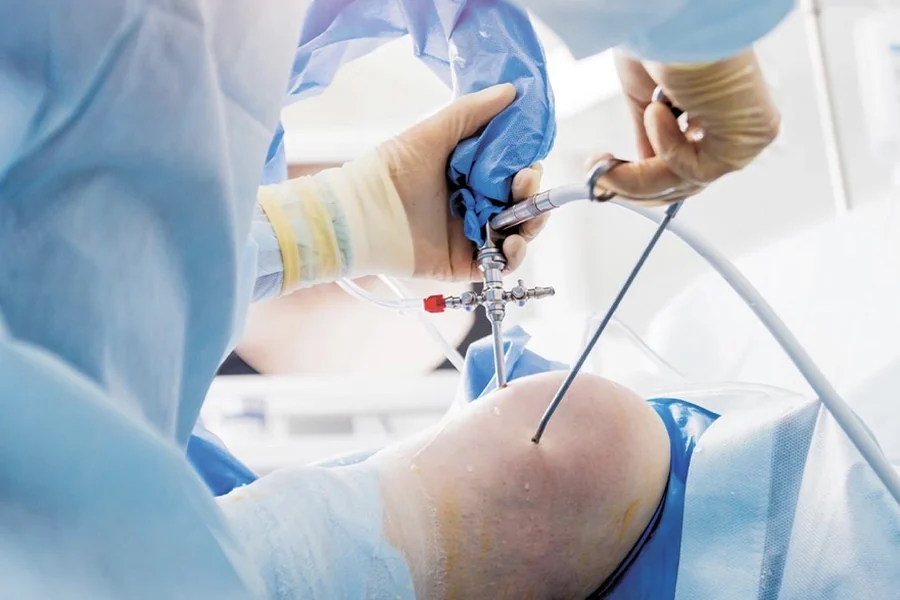
Knee arthroscopy
Keyhole knee surgery — a camera and fine instruments through two small incisions — for meniscus tears, ACL reconstruction, loose fragments and damaged cartilage.
Read more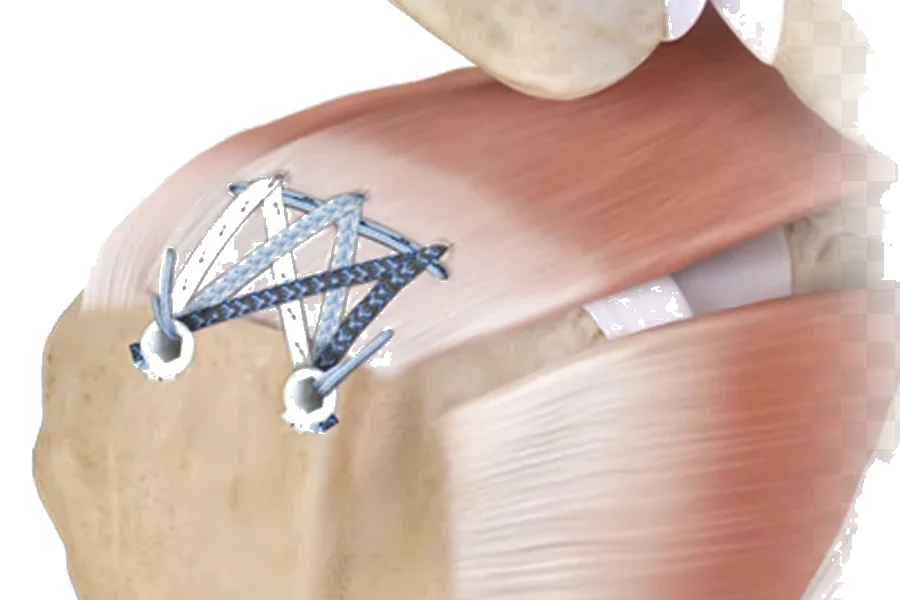
Shoulder and rotator cuff treatment
Diagnosing and treating the common causes of shoulder pain — rotator cuff tears, impingement, frozen shoulder, and instability.
Read more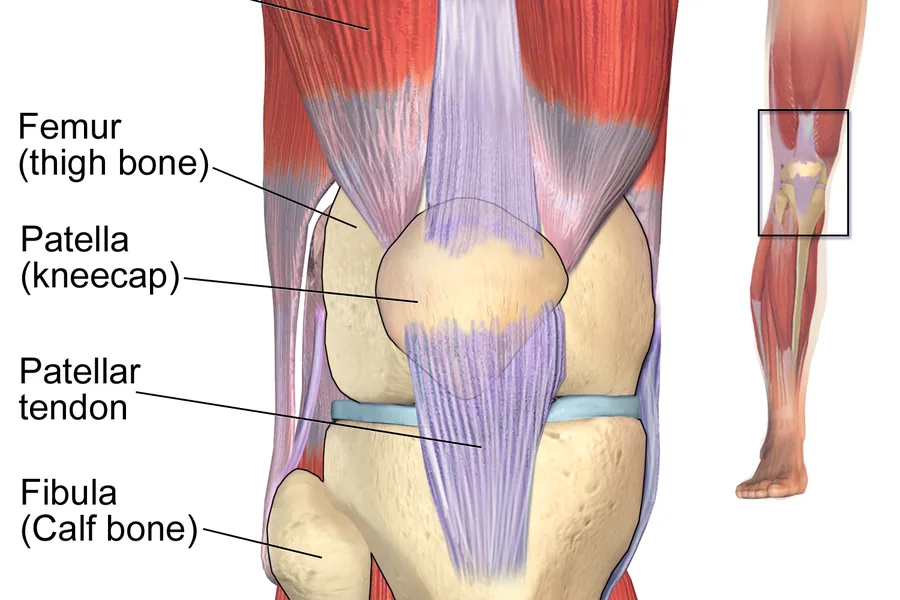
Joint injections
Targeted injections used to settle inflammation and pain in a specific joint or tendon, usually to make rehabilitation possible.
Read moreConsidering sports injury clinic?
Bring your X-rays or MRI if you have them. A consultation should leave you clear about what is wrong, what the options are, and what happens if you wait.