Shoulder pain
Shoulder pain that stops you reaching overhead or lying on that side at night usually comes down to a few distinct problems that need very different treatment.
The shoulder trades stability for range of movement — it moves further than any other joint in the body, and pays for it by relying on soft tissue rather than bone for stability. Most shoulder pain comes from those soft tissues.
Night pain and difficulty reaching overhead or behind the back are the two symptoms patients describe most. What separates the causes is the pattern of stiffness and weakness that goes with them.
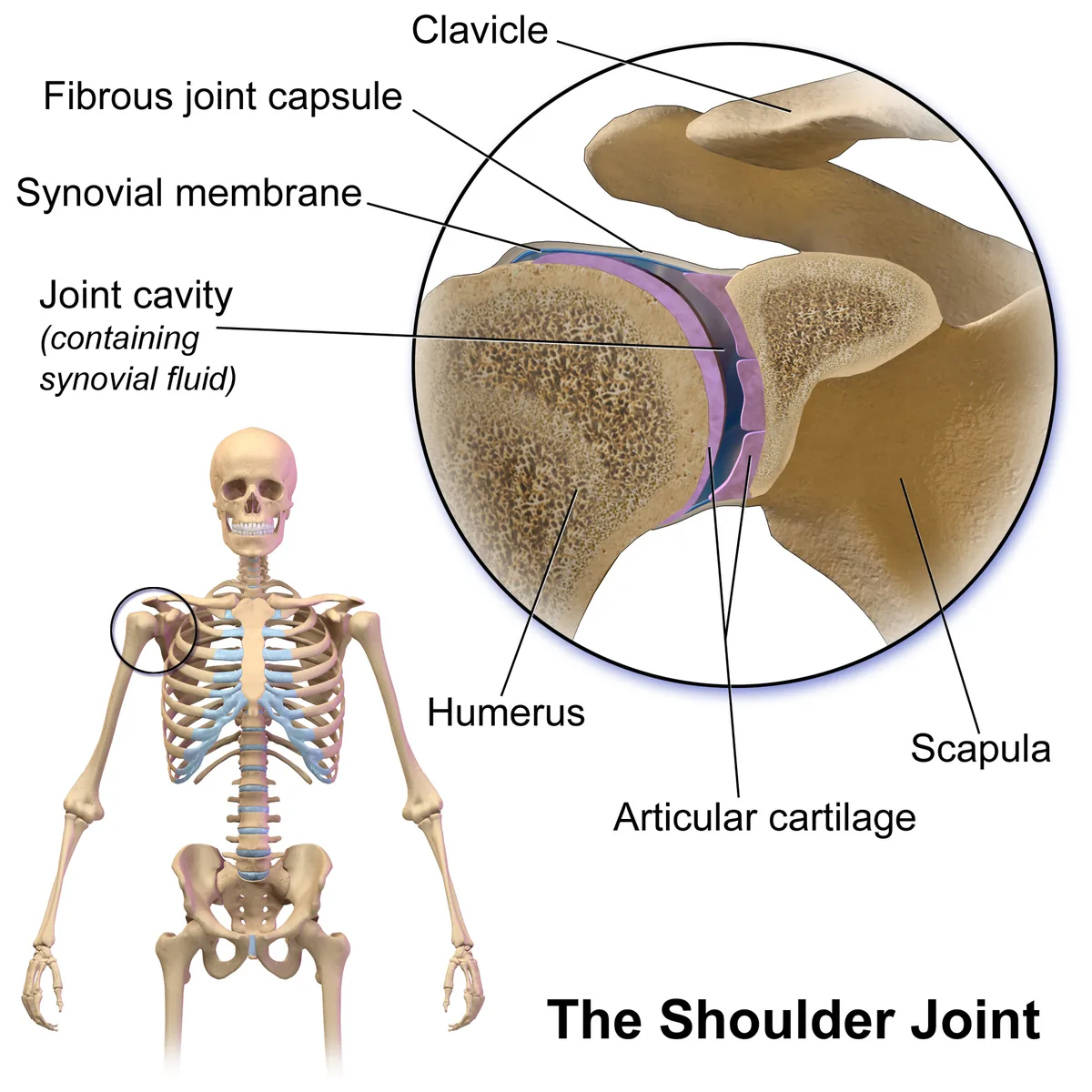
Common causes
Rotator cuff tendinopathy and impingement
Pain on reaching overhead or out to the side, often with a painful arc of movement. Strength is usually preserved.
Rotator cuff tear
Pain plus genuine weakness — difficulty lifting the arm, or an arm that drops when raised. Night pain is common.
Frozen shoulder (adhesive capsulitis)
Progressive stiffness in every direction, including when someone else moves your arm. Painful early, stiff later. More common in people with diabetes.
Shoulder arthritis
Deep pain with grinding and gradual loss of movement, usually in older patients or after previous injury.
Instability and dislocation
A shoulder that slips out or feels like it will, usually after a first dislocation, most often in younger patients.
When to see a doctor
- Shoulder pain that has not settled after a few weeks
- Pain that wakes you at night or stops you lying on that side
- Weakness lifting the arm, or an arm that drops
- Progressive stiffness in all directions
- A shoulder that has dislocated, or repeatedly feels like it is about to
Signs that need urgent care
Do not wait for an appointment if you have any of these — go to an emergency department.
- — A shoulder that is visibly out of place after an injury
- — Severe pain with fever or a hot, swollen joint
- — Numbness or weakness spreading down the arm
- — Shoulder pain with chest pain, breathlessness, or sweating — seek emergency care
What helps in the meantime
- Avoid the specific movements that provoke it, but keep the shoulder moving gently — total rest leads to stiffness
- Sleep with a pillow supporting the arm to reduce night pain
- Simple pain relief where appropriate
- Begin gentle range-of-motion exercises early, particularly if stiffness is developing
What a consultation involves
A shoulder consultation uses a set of examination tests that tell rotator cuff problems, impingement, frozen shoulder, arthritis and instability apart — they feel similar to the patient but need different treatment. Imaging (X-ray, ultrasound or MRI) is arranged when it will change the plan. Most shoulder pain is treated without surgery, and the consultation ends with a plan for that, or a clear explanation of why surgery is being suggested.
Questions patients ask
Lying down changes the position of the shoulder and removes the gravity that keeps the space under the acromion open during the day, so inflamed tendons get compressed. Night pain is one of the most characteristic features of rotator cuff problems.
Usually yes, but slowly — often over many months to a couple of years. Treatment aims to control the pain and shorten the stiff phase, and physiotherapy matters a great deal.
Most shoulder problems are treated without surgery. Surgery is mainly considered for significant rotator cuff tears, recurrent instability, and advanced arthritis.
What patients say
Experiences with shoulder pain live on the clinic’s Google profile, exactly as patients wrote them — we link to reviews rather than curating them here.
How shoulder pain is treated
Depending on the cause and how far it has progressed, these are the treatments that usually come into the conversation.
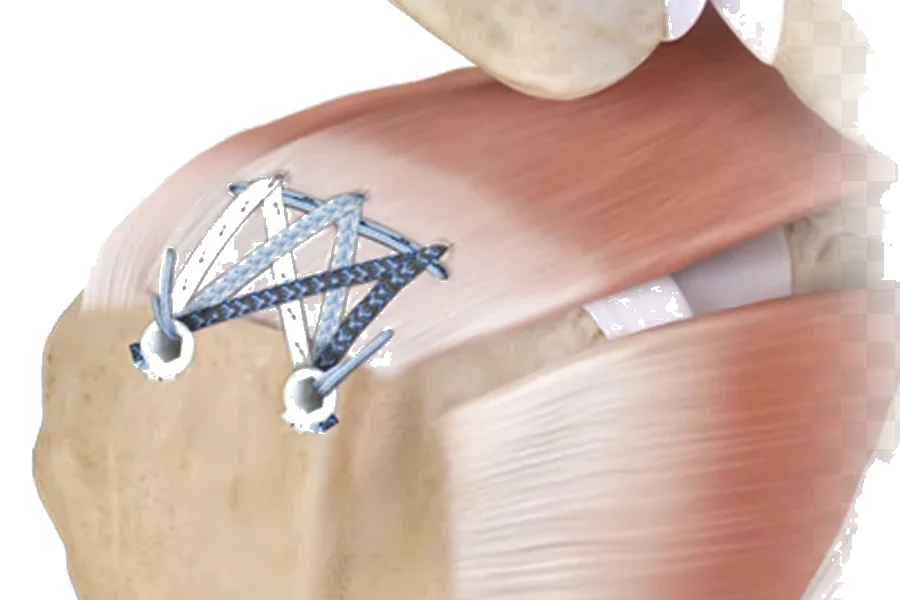
Shoulder and rotator cuff treatment
Diagnosing and treating the common causes of shoulder pain — rotator cuff tears, impingement, frozen shoulder, and instability.
Read more
Joint injections
Targeted injections used to settle inflammation and pain in a specific joint or tendon, usually to make rehabilitation possible.
Read moreOther conditions
Living with shoulder pain?
An examination narrows things down quickly. Bring any scans you already have and you will leave knowing what is actually wrong.