ACL reconstruction surgery
Keyhole reconstruction of a torn anterior cruciate ligament in Pune: a new ligament built from a graft, a phased rehabilitation programme from the first week, and a return to sport judged by strength and stability rather than the calendar.
At Poona Orthopaedic Clinic, Kondhwa, Pune — Dr. Atul Keswani. Surgery at affiliated hospitals in Pune. Patients come from NIBM Road, Wanowrie, Undri, Hadapsar, Camp, Bibwewadi and across Pune.
Also called: Anterior cruciate ligament reconstruction · ACL surgery · ACL tear surgery · Arthroscopic (keyhole) ACL reconstruction · Knee ligament reconstruction
What ACL reconstruction is
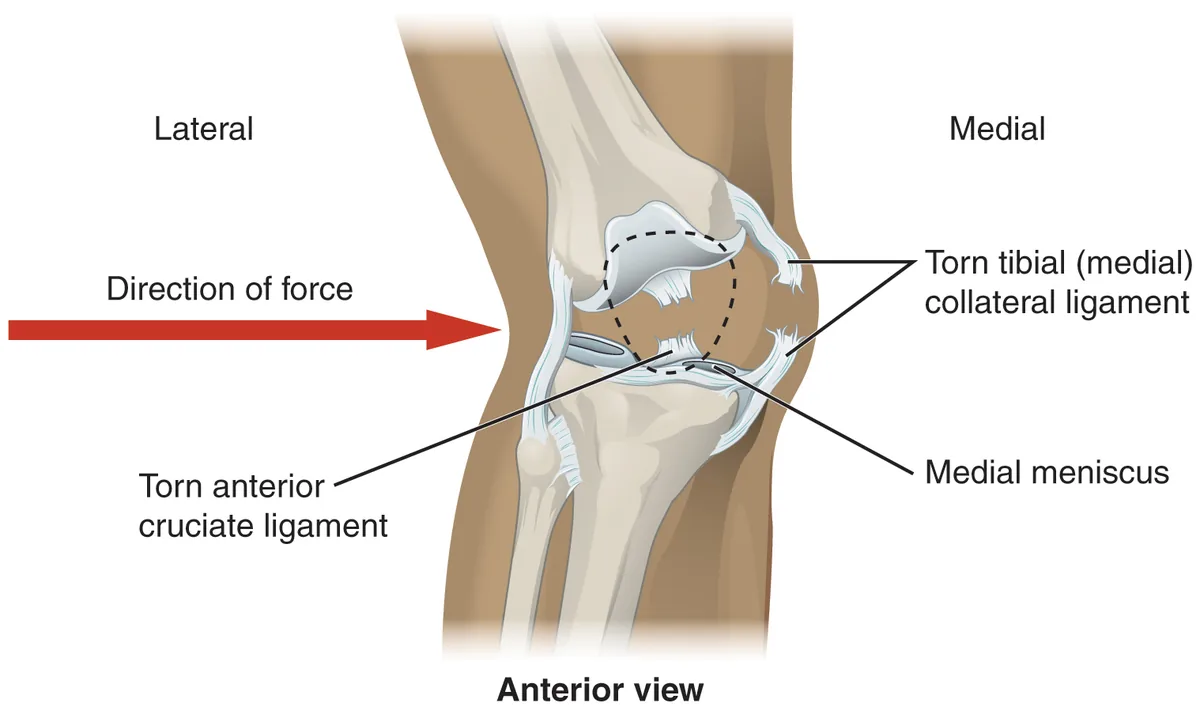
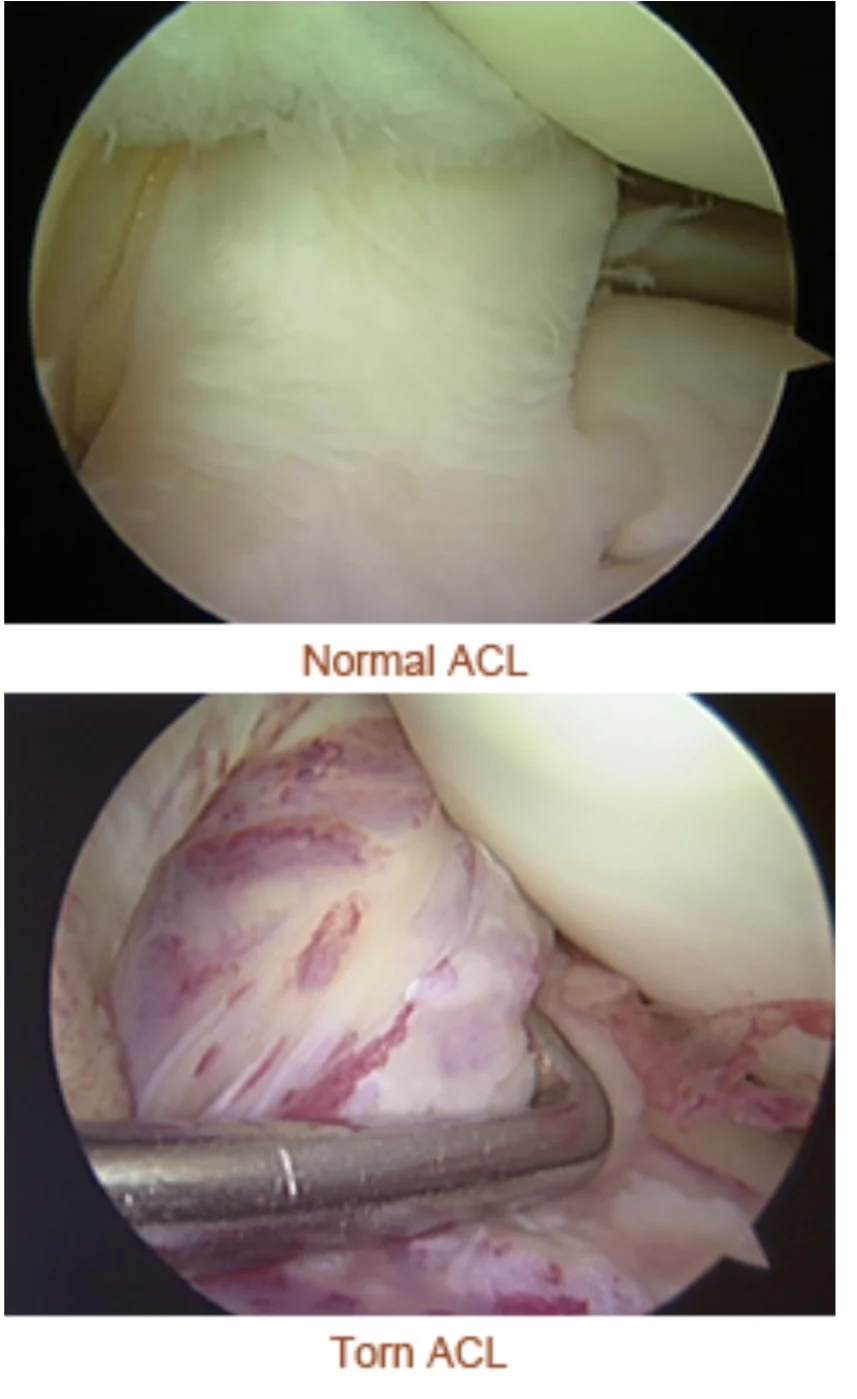
The anterior cruciate ligament (ACL) runs through the middle of the knee and stops the shin bone sliding forward and twisting under the thigh bone. It is usually torn by a sudden twist or change of direction — landing from a jump, a tackle, a slip on a wet floor — often with a pop and swelling within a few hours. Once torn, the ACL does not heal back, which is why the knee later tends to give way when you turn.
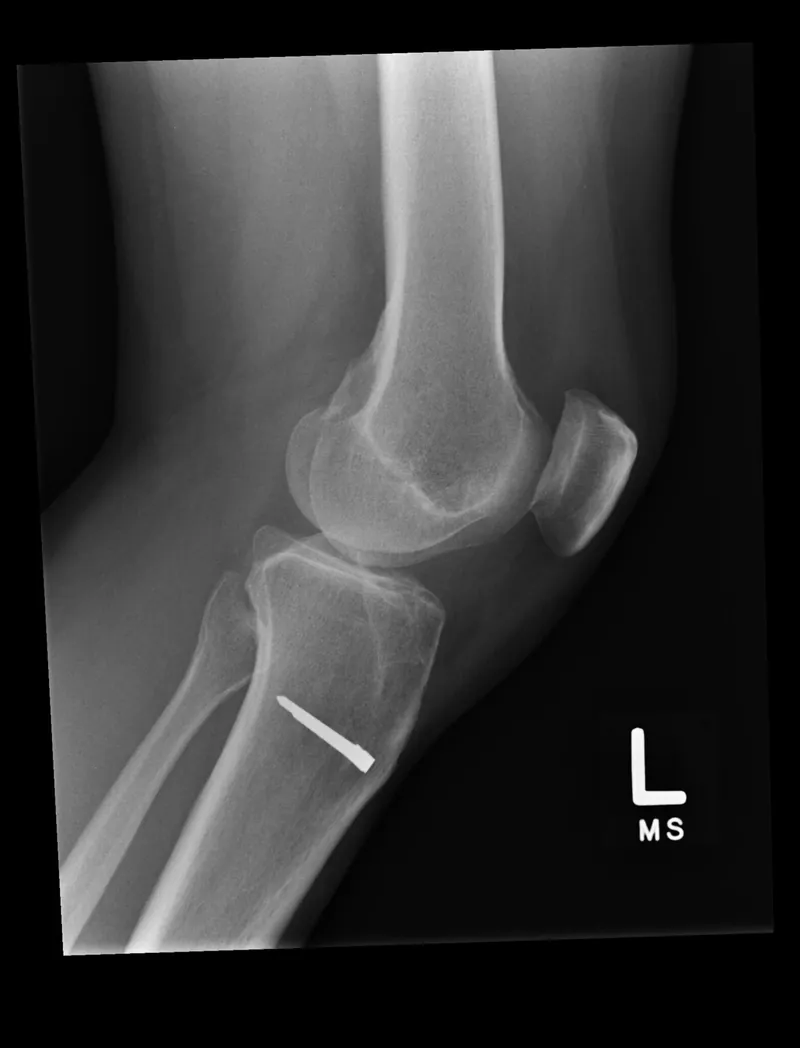
ACL reconstruction does not stitch the old ligament together. A new ligament is built from a graft, usually a tendon taken from your own leg, and fixed into small tunnels drilled in the thigh bone and the shin bone. The whole operation is done through the arthroscope — keyhole surgery through a few small incisions — and a torn meniscus or damaged cartilage found at the same time can be dealt with in the same operation.
ACL injuries at Poona Orthopaedic Clinic are treated by Dr. Atul Keswani, who completed fellowships in sports medicine and joint replacement at Deenanath Mangeshkar Hospital, Pune, and trained in arthroscopy at Sporthopaedicum in Germany, a FIFA referral centre for sports injuries.
Who needs it
These are the signs that usually bring someone to a consultation about this. Having one of them does not mean you need the procedure — it means it is worth assessing.
- A knee that gives way or feels unstable when turning, pivoting or on uneven ground after an injury
- An ACL tear confirmed on examination and MRI in someone who wants to return to football, cricket, kabaddi, badminton, basketball or another pivoting sport
- An ACL tear together with a meniscus tear that can be repaired
- A physically demanding job — police, armed forces, construction, farming — where an unstable knee is unsafe
- Repeated giving-way episodes despite a proper rehabilitation programme
Does an ACL tear always need surgery?
No. Some people — particularly those who do not play pivoting sports and whose knee does not give way in daily life — do well with a structured rehabilitation programme alone. Surgery is advised when the knee is unstable, when you want to return to cutting and pivoting sport, or when a repairable meniscus tear needs protecting. A partial ACL tear in a stable knee is usually treated without surgery.
- Every patient starts with physiotherapy to settle swelling and regain full movement; this “prehab” also makes surgery go better if it is needed later
- A knee that is still stiff and swollen at the time of surgery is more likely to be stiff afterwards, so most reconstructions are done a few weeks after the injury, once the knee has settled
- Surgery is brought forward when a torn meniscus has locked the knee, or when several ligaments are injured
- Choosing not to have surgery is reasonable for some people, but repeated giving way can damage the meniscus and cartilage, so a knee that keeps buckling should be reviewed
Choosing the graft
The new ligament is made from a tendon, most often your own. Each option has trade-offs, and the choice is made with you, based on your sport, your work, your age and what else is injured in the knee.
| Graft | Taken from | In its favour | Trade-offs |
|---|---|---|---|
| Hamstring tendons | Two tendons at the back of the thigh, through a small incision below the knee | Small incision; little pain at the front of the knee or with kneeling; the most widely used graft | Some loss of hamstring strength in the early months; graft thickness varies between people |
| Patellar tendon (bone–tendon–bone) | The middle third of the tendon below the kneecap, with a small block of bone at each end | Bone-to-bone healing in the tunnels; a long track record in high-demand athletes | More pain at the front of the knee and when kneeling, which matters for people who kneel at work or for prayer |
| Quadriceps tendon | The tendon above the kneecap | A thick, strong graft; less kneeling pain than the patellar tendon | In wide use for a shorter time, so long-term information is still building |
| Peroneus longus tendon | A tendon on the outer side of the lower leg and ankle | Leaves the thigh muscles untouched; increasingly used in India | Possible mild weakness turning the foot outwards; newer, with less long-term data |
Donor grafts (allografts) are used mainly for repeat operations and complex injuries. Your surgeon will explain which graft he recommends for you, and why.
How ACL reconstruction is done at Poona Orthopaedic Clinic
The first consultation at the clinic in Kondhwa covers how the injury happened, a hands-on examination of the knee’s stability and the MRI if you have one. Where reconstruction is advised, it is done by keyhole surgery at an affiliated hospital in Pune, usually with one or two nights in hospital. The graft is chosen for you — your sport, your work and the other structures injured — and the rehabilitation programme is agreed with you and your physiotherapist before the operation, because the result depends on it as much as on the surgery. Follow-up visits and rehabilitation reviews are at the clinic in Kondhwa.
- Diagnosis from the story of the injury and a stability examination, confirmed on MRI
- Prehab first: swelling settled and full straightening regained before surgery
- Keyhole reconstruction at an affiliated hospital, with meniscus repair in the same operation where the tear allows
- Graft choice explained beforehand
- A written, phased rehabilitation plan from the first week
- Return to sport judged on strength, hop and agility testing, not on a fixed date
Recovery, honestly
Timelines vary between patients. This is the usual shape of recovery rather than a promise about your own.
Before surgery
Two to six weeks of physiotherapy to settle swelling, regain full straightening and get the thigh muscles working.
Weeks 0–2
Walking with crutches and often a brace; controlling swelling, getting the knee fully straight and the quadriceps working.
Weeks 2–6
Crutches set aside as walking normalises; bending improves steadily with a structured programme. Desk work is usually possible within two to three weeks.
Months 2–4
Strength, balance and control training; cycling and swimming. Straight-line jogging usually starts around three to four months if strength criteria are met.
Months 4–9
Running, jumping, agility and sport-specific drills, progressing from straight lines to cutting and turning.
9–12 months
Return to competitive pivoting sport — football, cricket, kabaddi, badminton — once strength and hop tests show the leg is ready.
Questions patients ask
Most people feel or hear a pop at the moment of injury, cannot carry on playing, and see the knee swell within a few hours. Once the swelling settles, walking in a straight line can feel almost normal, but the knee gives way when turning, stepping sideways or landing. A stability examination and an MRI confirm the diagnosis.
Yes, for some people. An ACL-deficient knee can function well for daily life and straight-line activities with a good rehabilitation programme, particularly in people who do not play pivoting sports. Surgery is advised for a knee that keeps giving way, for return to cutting and pivoting sports, and where there is also a meniscus tear that needs repair. The choice is made with the patient, based on their activity and how the knee behaves.
Usually a few weeks after the injury, once the swelling has settled and the knee straightens fully; operating on a stiff, swollen knee raises the risk of stiffness afterwards. It is done sooner if a torn meniscus has locked the knee. Leaving an unstable knee for many months risks further damage to the meniscus and cartilage each time it gives way.
The cost depends on the graft and the fixation implants used, whether a meniscus repair is done at the same time, the hospital room category and the length of stay, usually one or two nights. Many health insurance policies cover ACL reconstruction after an injury, usually on a cashless basis. The clinic gives a written estimate after the consultation and MRI review.
Straight-line running usually returns around three to four months, but a return to competitive pivoting sport such as football, cricket, kabaddi or badminton is usually around nine to twelve months, and only once strength and hop tests are passed. Returning too early carries a real risk of tearing the new ligament.
Yes. A reconstructed ACL can tear, and so can the ACL in the other knee. The risk is highest in young athletes who return to pivoting sport early or before passing return-to-sport testing. Completing the rehabilitation and continuing an injury-prevention exercise routine afterwards are the most effective ways to reduce it.
In a partial tear some fibres of the ligament remain intact. If the knee is stable on examination and does not give way, a partial tear is usually treated with rehabilitation. If it behaves like a complete tear — the knee is unstable — it is treated like one.
Some people can, particularly those who avoid pivoting activities and commit to strengthening. But repeated giving-way episodes can damage the meniscus and cartilage over time, which is a key reason surgery is advised for active patients.
Often for the first few weeks, to protect the knee while the thigh muscles recover, depending on what was done. A long-term brace is not usually needed; strength and control matter far more than a brace for returning to sport.
Yes — arguably more than the surgery itself. The operation restores the anatomy; the rehabilitation restores the function. Poor or incomplete rehabilitation is the most common reason for a disappointing result.
What patients say
Experiences with ACL reconstruction live on the clinic’s Google profile, exactly as patients wrote them — we link to reviews rather than curating them here.
Related symptoms
Related treatments
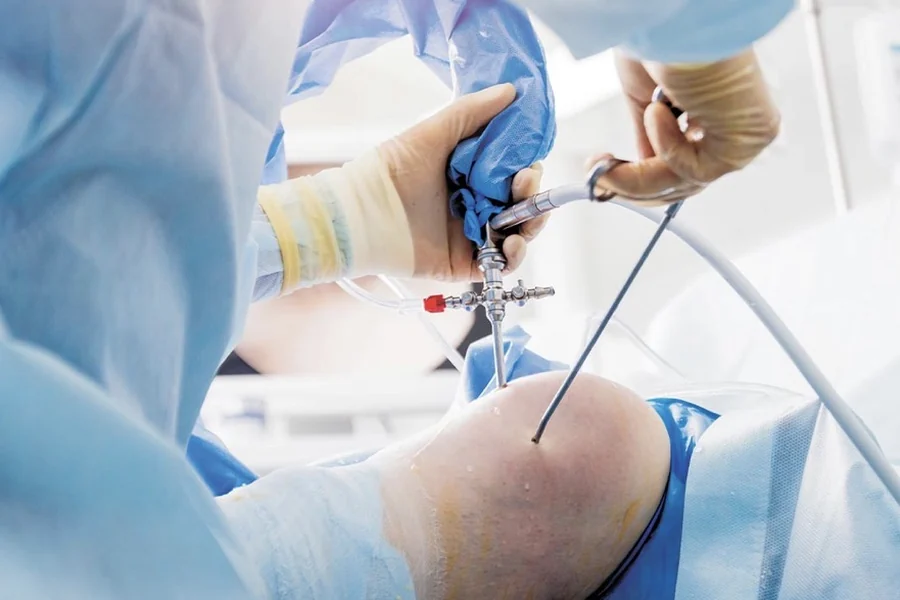
Knee arthroscopy
Keyhole knee surgery — a camera and fine instruments through two small incisions — for meniscus tears, ACL reconstruction, loose fragments and damaged cartilage.
Read more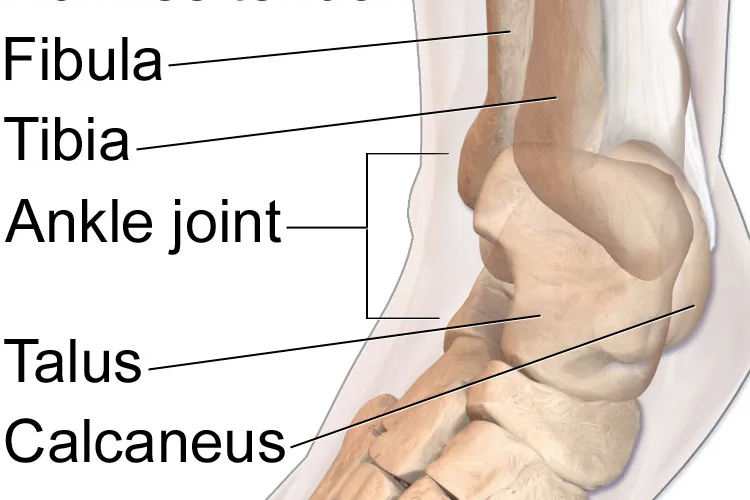
Sports injury and sports medicine clinic
A sports injury clinic in Pune for knee, shoulder and ankle injuries — ACL and ligament tears, meniscus tears, shoulder dislocation and rotator cuff injuries, and overuse pain — assessed by a fellowship-trained sports injury surgeon, with rehabilitation first and keyhole surgery where it is needed.
Read more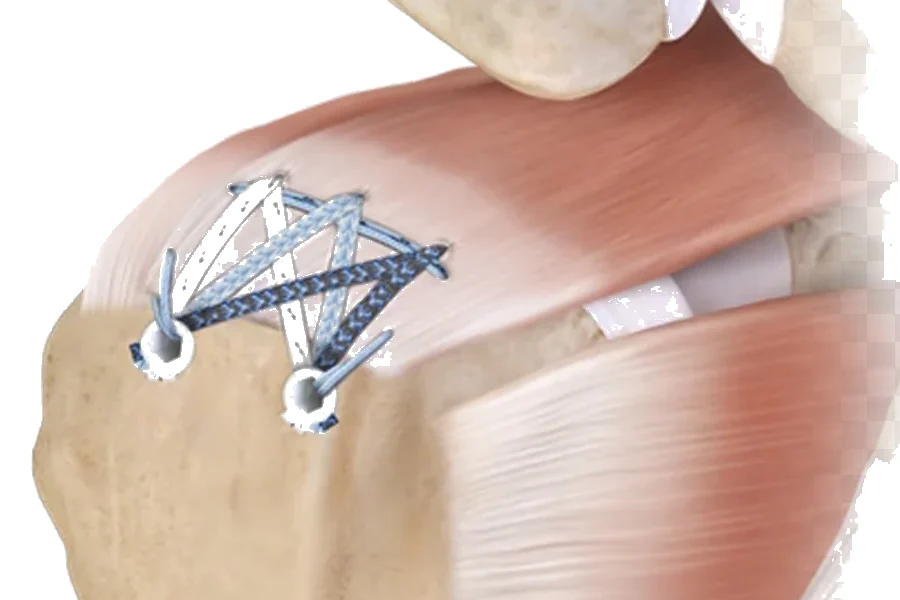
Shoulder and rotator cuff treatment
Diagnosing and treating the common causes of shoulder pain — rotator cuff tears, impingement, frozen shoulder, and instability.
Read moreConsidering ACL reconstruction?
Bring your X-rays or MRI if you have them. A consultation should leave you clear about what is wrong, what the options are, and what happens if you wait.