Foot, ankle and heel pain
Heel pain, a sprained ankle, a sore Achilles or flat feet are among the commonest reasons to see an orthopaedic doctor — and most are treated without surgery once the cause is clear.
At Poona Orthopaedic Clinic, Kondhwa, Pune — Dr. Atul Keswani and Dr. Harish Keswani.
The foot and ankle carry the whole body through several thousand steps a day, so pain there is common at every age — in the runner with a sore heel, the person who turned an ankle on a kerb, the older adult whose arches have dropped. Where it hurts, and what brings it on, usually points to the cause.
Most foot and ankle problems improve with the right footwear, a specific stretching and strengthening programme, and time. The consultation is about separating those from the few that need imaging, a boot, an injection or, occasionally, surgery.
Common causes
Plantar fasciitis (heel pain)
Pain under the heel that is worst with the first steps in the morning or after sitting, easing as you walk and returning after a long day on your feet. The commonest cause of heel pain in adults; a "heel spur" on X-ray is usually a bystander, not the cause.
Ankle sprain
A twist, usually inwards, that stretches or tears the ligaments on the outer side of the ankle. Swelling and bruising follow; most heal in two to six weeks, but an ankle that keeps giving way afterwards needs assessment.
Achilles tendinopathy
Pain and stiffness at the back of the heel or a few centimetres above it, worst first thing in the morning and at the start of a run. Common in runners and in people who have recently increased activity.
Flat feet and tired arches
Arches that are low or that collapse on standing. Flexible flat feet in children are normal and rarely need treatment; an arch that has dropped in adulthood, with pain on the inner side of the ankle, needs assessment of the tendon that supports it.
Bunion (hallux valgus) and toe problems
A big toe that drifts towards the others, with a painful bump that rubs on shoes. Footwear changes help most people; surgery is for persistent pain, not appearance.
Ankle and foot arthritis, stress fractures, gout
Joint pain and stiffness after an old injury suggests arthritis; a gradually worsening ache in the foot after a sharp increase in running or walking can be a stress fracture; a hot, red, exquisitely tender joint — often the big toe — is gout until proven otherwise.
When to see a doctor
- Heel or foot pain that has not improved after three to four weeks of footwear changes, stretching and reduced activity
- An ankle sprain that still cannot bear full weight after a few days, or an ankle that keeps giving way
- Pain and swelling on the inner side of the ankle with a flattening arch in an adult
- A painful bunion or toe that limits footwear and walking
- Pain in the foot after a sharp increase in running or walking that is getting worse rather than better
Signs that need urgent care
Do not wait for an appointment if you have any of these — go to an emergency department.
- — Inability to take four steps on the foot immediately after an injury, or pain over the bony points of the ankle — this needs an X-ray
- — A hot, red, swollen foot or ankle with fever
- — Numbness, coldness or colour change in the foot
- — A foot wound or ulcer that is not healing, especially with diabetes
- — Sudden pain at the back of the ankle with a feeling of being kicked, and inability to push off — a possible Achilles rupture
What helps in the meantime
- Footwear with a cushioned heel and some arch support; avoid flat, hard-soled chappals and barefoot walking on hard floors during a heel-pain flare
- Calf and plantar fascia stretches, two or three times a day, for heel and Achilles pain
- For a fresh ankle sprain: relative rest, ice over a cloth, compression and elevation for the first two days, then early movement and balance exercises
- Reduce running or walking distance by half during a flare and build back gradually
- Simple pain relief, if it is safe for you
What a consultation involves
A foot and ankle consultation at the clinic begins with where exactly it hurts, when it started and what you were doing, followed by an examination of the foot, the ankle ligaments, the Achilles and the arch, and a look at your footwear and how you walk. An X-ray is arranged after an injury or when arthritis or a stress fracture is suspected; ultrasound or MRI only when a tendon or ligament tear needs confirming. Treatment is usually footwear advice, a specific exercise programme and sometimes a brace or boot; an injection is used for stubborn plantar fasciitis; surgery is reserved for problems such as a painful bunion, a torn ligament that keeps giving way, or arthritis that has not responded to other measures. Fractures of the ankle and foot are treated under fracture care.
Questions patients ask
An orthopaedic doctor. Heel pain is almost always plantar fasciitis or Achilles tendinopathy, both of which are diagnosed by examination and treated with stretching, footwear changes and, if needed, an injection; an orthopaedic consultation also rules out a stress fracture or nerve cause.
Most people improve substantially within three to six months with consistent stretching, supportive footwear and reduced loading, and the majority recover fully within a year. Persistent cases may be helped by an injection or shock-wave therapy; surgery is rarely needed.
Not always. An X-ray is needed if you could not take four steps straight after the injury, or if there is tenderness over the bony points on either side of the ankle or along the foot. Otherwise most sprains are diagnosed by examination.
Flexible flat feet in children are normal and need nothing unless they hurt. In adults, flat feet that are painless need no treatment; an arch that has recently dropped, with pain on the inner side of the ankle, needs assessment because the supporting tendon may be failing and is easier to treat early.
What patients say
Experiences with foot, ankle and heel pain live on the clinic’s Google profile, exactly as patients wrote them — we link to reviews rather than curating them here.
How foot, ankle and heel pain is treated
Depending on the cause and how far it has progressed, these are the treatments that usually come into the conversation.
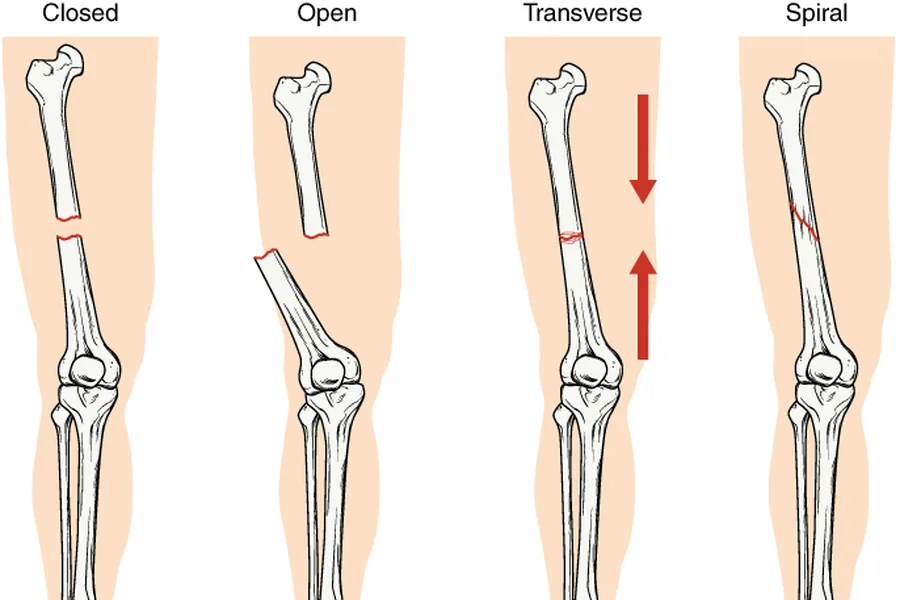
Fracture and trauma care
Assessment and treatment of broken bones — from casts and slings to surgical fixation with plates, screws, or nails.
Read more
Joint injections
Targeted injections used to settle inflammation and pain in a specific joint or tendon, usually to make rehabilitation possible.
Read moreSports injury and sports medicine clinic
A sports injury clinic in Pune for knee, shoulder and ankle injuries — ACL and ligament tears, meniscus tears, shoulder dislocation and rotator cuff injuries, and overuse pain — assessed by a fellowship-trained sports injury surgeon, with rehabilitation first and keyhole surgery where it is needed.
Read moreOther conditions
Living with foot, ankle and heel pain?
An examination narrows things down quickly. Bring any scans you already have and you will leave knowing what is actually wrong.