Elbow, wrist and hand pain
Tennis elbow, carpal tunnel syndrome, a painful wrist after a fall and a finger that clicks or locks — common problems of the arm and hand, most of them treated without surgery.
At Poona Orthopaedic Clinic, Kondhwa, Pune — Dr. Atul Keswani and Dr. Harish Keswani.
The elbow, wrist and hand are used for almost everything, so pain there is quickly limiting — gripping, lifting a bag, typing, cooking. The good news is that most of the common causes are tendon or nerve irritation from repetitive use, which settle with the right changes and a specific programme.
The consultation separates those from the problems that need something more: a fracture after a fall, a nerve that is being compressed enough to cause weakness, or arthritis at the base of the thumb or the wrist.
Common causes
Tennis elbow and golfer's elbow
Pain on the outer (tennis elbow) or inner (golfer's elbow) bony point of the elbow, worse with gripping, lifting a kettle or wringing a cloth. It follows repetitive use far more often than any racquet sport, and most cases settle within six to twelve months with load management and exercises.
Carpal tunnel syndrome
Tingling and numbness in the thumb, index and middle fingers, often waking you at night and eased by shaking the hand. The median nerve is compressed at the wrist; it is common in pregnancy, with diabetes and thyroid problems, and with repetitive hand use.
De Quervain's tenosynovitis
Pain on the thumb side of the wrist with gripping and lifting — classically in new parents lifting a baby. The tendons that move the thumb are irritated where they pass through a tunnel at the wrist.
Trigger finger
A finger or thumb that clicks, catches or locks when bending, sometimes needing the other hand to straighten it. A thickened tendon catches at a pulley in the palm; it is more common with diabetes.
Wrist sprains and fractures
A fall onto an outstretched hand can sprain the wrist or break the end of the forearm bone (a distal radius fracture) or the small scaphoid bone, which is easily missed on a first X-ray. Pain and swelling that persist after a fall need an X-ray.
Arthritis of the thumb base and wrist
Aching at the base of the thumb with pinching and opening jars, or a stiff, painful wrist after an old injury. Splints, activity changes and injections help most people; surgery is for persistent pain.
When to see a doctor
- Elbow or wrist pain that has not improved after three to four weeks of reducing the aggravating activity
- Tingling or numbness in the fingers that wakes you at night or that is becoming constant
- A finger that locks, or that you cannot straighten without help
- Pain and swelling in the wrist after a fall, especially tenderness on the thumb side
- Weakness of grip, or wasting of the muscle at the base of the thumb
Signs that need urgent care
Do not wait for an appointment if you have any of these — go to an emergency department.
- — An obvious deformity of the wrist or forearm after a fall — go to an emergency department
- — Numbness or weakness that is spreading or worsening quickly
- — A hot, red, swollen joint or finger with fever
- — A cut over a joint or tendon, or a deep puncture wound of the hand
What helps in the meantime
- Reduce the aggravating activity rather than stopping all use — change grip, tool size or technique
- A tennis-elbow strap or a wrist splint, particularly a night splint for carpal tunnel symptoms
- Specific tendon-loading exercises for tennis elbow, taught once and continued for months
- Ice after activity during a flare; simple pain relief if it is safe for you
- Set up the keyboard and mouse so the wrists stay straight, and take short breaks from repetitive tasks
What a consultation involves
A consultation for elbow, wrist or hand pain starts with what you do with your hands — work, sport, household tasks — and an examination that tests each tendon and nerve in turn, which usually gives the diagnosis without imaging. An X-ray is arranged after a fall or when arthritis is suspected; a nerve conduction study confirms carpal tunnel syndrome when the diagnosis is unclear or surgery is being considered. Treatment is typically splinting, a specific exercise programme and activity changes, with an injection for a stubborn tennis elbow, De Quervain's or trigger finger. Surgery — carpal tunnel release, trigger finger release, or fixation of a displaced wrist fracture — is reserved for problems that have not responded or where a nerve is at risk. Fractures are treated under fracture care.
Questions patients ask
An orthopaedic doctor. Tennis elbow is diagnosed by examination; treatment is load management and a specific exercise programme, with a strap, and an injection if it is not settling. Most cases resolve within a year without surgery.
Often not. Mild and moderate carpal tunnel syndrome frequently improves with a night splint, activity changes, treatment of any underlying condition and sometimes a steroid injection. Surgery to release the ligament over the nerve is advised when symptoms are constant, when there is weakness or muscle wasting, or when non-surgical treatment has failed; it is a short day-care operation.
Possibly, but a wrist that is still painful and swollen a week after a fall needs an X-ray, particularly if the thumb side of the wrist is tender. A scaphoid fracture can be missed on the first X-ray and causes long-term problems if it is not treated.
Frequently. A steroid injection at the tendon pulley settles the majority of trigger fingers, sometimes with a splint. A finger that locks persistently, or that recurs after injections, is treated with a small release operation under local anaesthetic.
What patients say
Experiences with elbow, wrist and hand pain live on the clinic’s Google profile, exactly as patients wrote them — we link to reviews rather than curating them here.
How elbow, wrist and hand pain is treated
Depending on the cause and how far it has progressed, these are the treatments that usually come into the conversation.
Fracture and trauma care
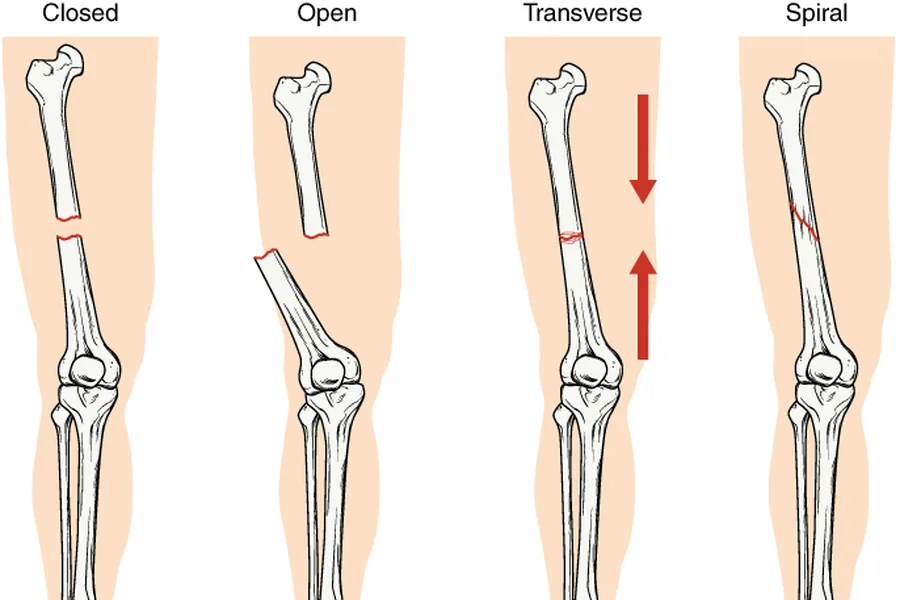
Assessment and treatment of broken bones — from casts and slings to surgical fixation with plates, screws, or nails.
Read more
Joint injections
Targeted injections used to settle inflammation and pain in a specific joint or tendon, usually to make rehabilitation possible.
Read moreSports injury and sports medicine clinic
A sports injury clinic in Pune for knee, shoulder and ankle injuries — ACL and ligament tears, meniscus tears, shoulder dislocation and rotator cuff injuries, and overuse pain — assessed by a fellowship-trained sports injury surgeon, with rehabilitation first and keyhole surgery where it is needed.
Read moreOther conditions
Living with elbow, wrist and hand pain?
An examination narrows things down quickly. Bring any scans you already have and you will leave knowing what is actually wrong.