Avascular necrosis (AVN) of the hip
AVN means the ball of the hip joint has lost part of its blood supply, so the bone weakens and can collapse. Caught early the hip can sometimes be preserved; once it has collapsed, hip replacement is usually the reliable answer.
At Poona Orthopaedic Clinic, Kondhwa, Pune — Dr. Atul Keswani and Dr. Harish Keswani.
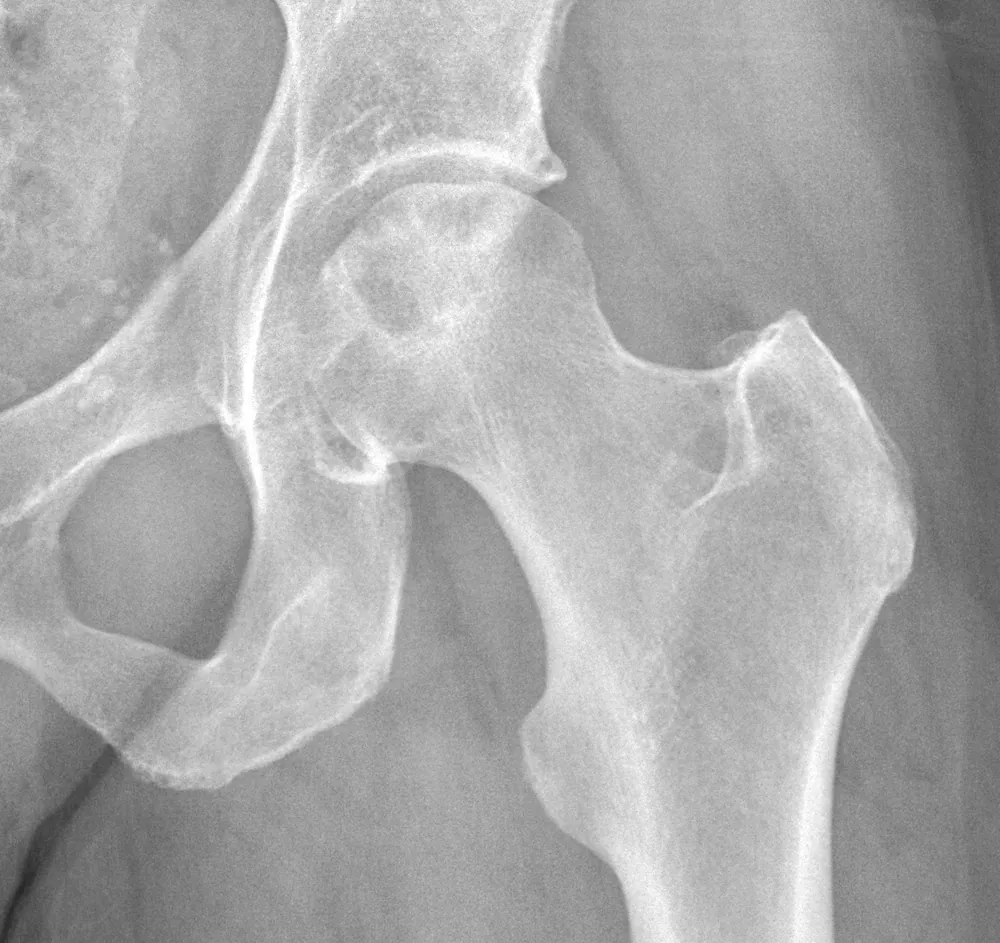
The ball at the top of the thigh bone (the femoral head) has a fragile blood supply. In avascular necrosis part of that supply fails, the bone it feeds dies, and over months the weakened bone can collapse, leaving an uneven, painful joint that wears quickly into arthritis.
Unlike most hip arthritis, AVN often affects people in their thirties, forties and fifties, and it frequently involves both hips. In India it is one of the commonest reasons younger adults need a hip replacement. The earlier it is found, the more options there are, which is why new groin pain in someone with risk factors deserves an MRI and not only an X-ray.
Common causes
Steroid medicines
The commonest cause. High doses or long courses of steroids, taken by mouth or injection for conditions such as asthma, skin disease, kidney disease or a severe infection, can trigger AVN, sometimes after only a few weeks. Prescribed steroids should never be stopped suddenly without medical advice.
Heavy alcohol use
Regular heavy drinking over years is strongly linked with AVN, often in both hips.
Hip fracture or dislocation
An injury that tears the blood vessels to the femoral head, particularly a fracture of the neck of the femur or a dislocated hip.
Blood and other medical conditions
Sickle cell disease, clotting disorders, lupus, kidney transplantation, radiation treatment and some cancer treatments raise the risk.
No clear cause
In a proportion of patients no cause is found. The treatment is the same.
When to see a doctor
- Groin, buttock or thigh pain without an injury, especially if you have taken steroids or drink heavily
- Hip pain that is worse on walking and limits how far you can go
- A new limp, or stiffness putting on socks and shoes
- Pain in the second hip when AVN has been found in the first
- Persistent hip pain with an X-ray reported as normal — early AVN does not show on X-ray
Signs that need urgent care
Do not wait for an appointment if you have any of these — go to an emergency department.
- — Sudden severe hip pain and being unable to bear weight, which can mean the bone has collapsed or fractured
- — Hip pain with fever, or a hot, swollen joint
- — Hip pain after a fall in an older adult
What helps in the meantime
- Take weight off the hip: a walking stick in the opposite hand reduces the load considerably
- Stop or cut down alcohol
- Do not stop prescribed steroids on your own — discuss it with the doctor who prescribed them
- Keep moving within comfort; cycling and swimming load the hip less than long walks
- Simple pain relief, if it is safe for you
What a consultation involves
An AVN assessment at the clinic covers past steroid and alcohol use, an examination of both hips, X-rays and usually an MRI of both hips, which shows AVN months before it appears on X-ray and shows how far it has progressed. Before the bone collapses, the aim is to preserve the hip: reducing load, treating the cause and, in selected patients, a joint-preserving procedure such as core decompression, which relieves pressure inside the bone. Once the femoral head has collapsed or arthritis has set in, total hip replacement is usually the reliable option. At this practice it is done by the direct anterior approach with robotic assistance, which suits the younger, active patients AVN often affects.
Questions patients ask
In its earliest stages, sometimes: by taking load off the hip, treating the cause and monitoring with MRI. Medicines have been studied, but none has been shown to reliably stop the disease progressing. Once the bone has begun to collapse, non-surgical treatment can control pain but does not restore the hip.
AVN is described in stages: early changes visible only on MRI; changes visible on X-ray with the ball still round; collapse of the bone surface; and finally arthritis of the whole joint. Joint-preserving treatment is an option mainly before collapse.
A procedure in which one or more channels are drilled into the affected area of the femoral head to relieve pressure and encourage new blood vessels to grow, sometimes combined with a bone graft or concentrated cells from the patient’s own bone marrow. It is most useful before the bone has collapsed.
If the hip has collapsed and pain is limiting your life, often yes. Modern hip implants commonly last 20 years or more and let younger people return to work and an active life. The possibility of a second operation many years later is discussed openly before deciding.
Often. In steroid- and alcohol-related AVN both hips are involved in a large proportion of patients, sometimes years apart, so an MRI of both hips at diagnosis is standard.
What patients say
Experiences with avascular necrosis (AVN) of the hip live on the clinic’s Google profile, exactly as patients wrote them — we link to reviews rather than curating them here.
How avascular necrosis (AVN) of the hip is treated
Depending on the cause and how far it has progressed, these are the treatments that usually come into the conversation.
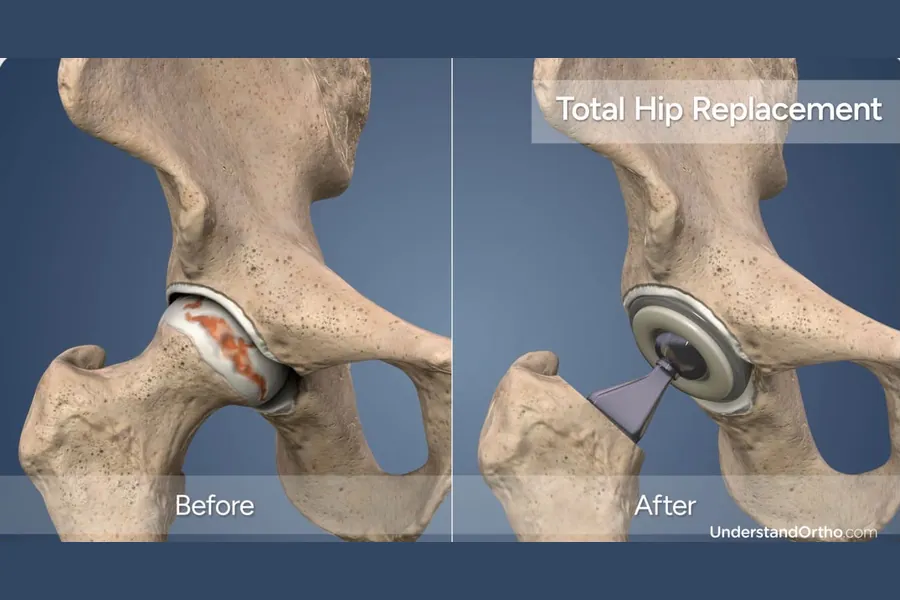
Robotic hip replacement surgery (direct anterior approach)
Replacing a worn hip through the direct anterior approach (DAA), with robotic assistance to position the new ball and socket — muscle-sparing hip replacement surgery in Pune for long-standing groin and hip pain.
Read more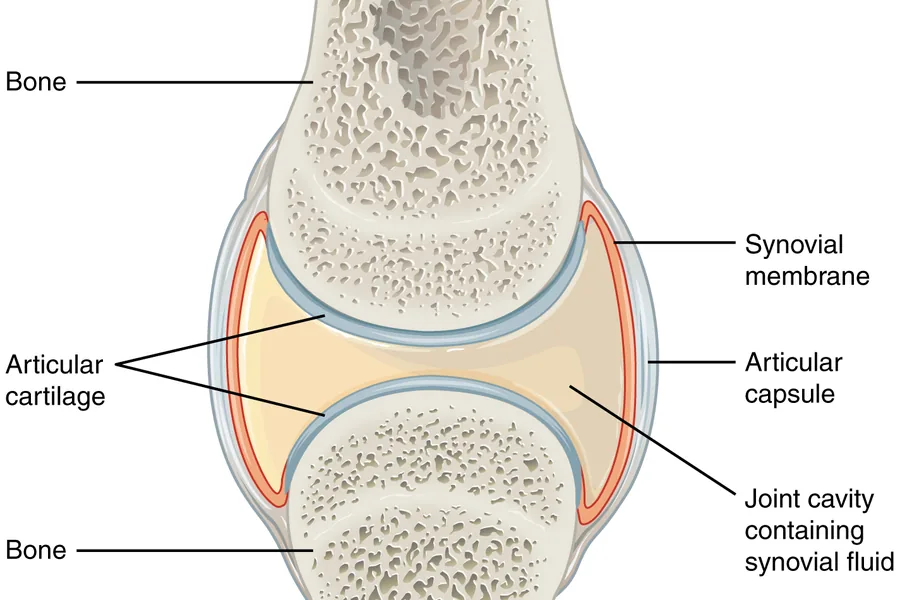
Non-surgical arthritis care
A structured plan to control arthritis pain and keep you active — for the many patients who do not need surgery, or who are not ready for it.
Read more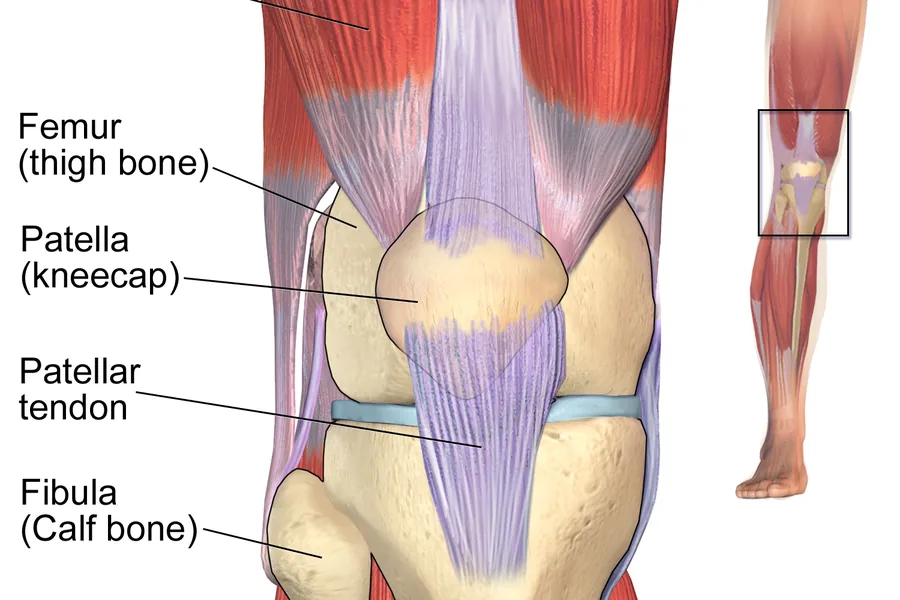
Joint injections
Targeted injections used to settle inflammation and pain in a specific joint or tendon, usually to make rehabilitation possible.
Read moreOther conditions
Living with avascular necrosis (AVN) of the hip?
An examination narrows things down quickly. Bring any scans you already have and you will leave knowing what is actually wrong.